The New York Times does not like to use the word terrorist when it comes to Palestinian terror and it does not want the IDF to either. Perhaps the allergy to the word is why the paper of record still has not acknowledged the numerous announcements by Hamas and Palestinian Islamic Jihad outing many "journalists" as terrorists.
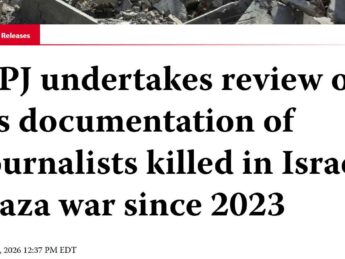
In reporting on a pianist's failed lawsuit after his performance was canceled following an on-stage proclamation that Israel was targeting journalists in Gaza, The New York Times cited to the Committee for the Protection of Journalists. The paper failed to acknowledge the organization was conducting a review after Hamas and Palestinian Islamic Jihad claimed many "journalists" as their fighters.
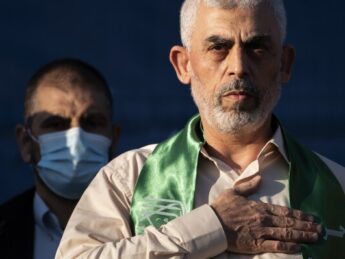
Violent Israeli attacks on Palestinians in the West Bank have decreased by 25 percent since March. Yahya Sinwar's handwritten memo showed he planned the October 7 massacre despite believing Israel would retaliate with all its might, including possible use of nuclear weapons. A British-Israeli dual citizen who served in the IDF was awarded counsel fees in the UK after a court found the attempt to prosecute him to be egregious.
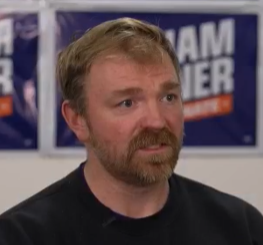
It is time for readers to ask why The New York Times amplified unsubstantiated claims of widespread sexual violence against Palestinian prisoners by Israelis and dogs, but downplayed verifiable claims of sexual assault by women against a Nazi-tattooed Senate candidate.
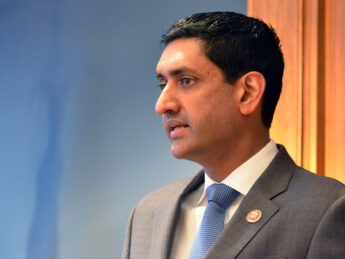
Representative Ro Khanna (D-Calif.) launched an aggressive smear campaign against Israel after manufacturing an “incident” in Area C of the West Bank on July 8, 2026. But had Khanna coordinated with the IDF for smooth passage, there would have been no opportunity for a provocative publicity stunt. CAMERA breaks down the facts here.
Multiple major news organizations spread Iranian regime propaganda regarding how many mourners participated in former Iranian Supreme Leader Ali Khamenei's funeral procession. News consumers should demand that their providers refuse to spread unverified claims, argues CAMERA's Jennifer Kouzi in JNS.
In reporting on the most recent allegations against Graham Platner, NPR omitted information from the very source it cited, which demonstrated Platner had lied about knowing he bore a Nazi tattoo.