A CNN analysis featured a misleading graph tracking strikes between Hezbollah and the IDF from October 2023 to June 2026. The cherry-picked data distorted the reality of the war, while also highlighting a broader issue: the consequences of newsrooms uncritically relying on politicized NGO datasets.
ABC News invited two Iranian regime apologists to discuss Iran and Lebanon. The host failed to challenge even one word of their analyses, leaving viewers with a distorted view of how the Middle East functions.
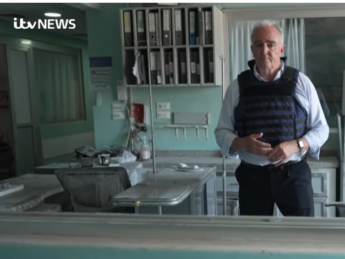
By ignoring Hezbollah’s likely role in the incident they reported, while failing to provide viewers with the Israel’s response to the incendiary accusation that that the army intentionally struck a hospital, ITV News violated the Accuracy clause of the UK's broadcast media regulator.
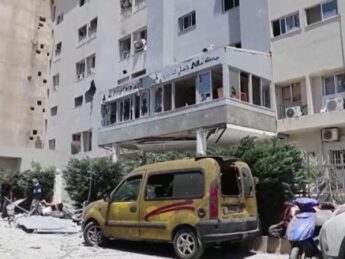
Was the Jabal Amel Hospital in the Lebanese city of Tyre "reduced to ruins following Israeli bombardments" or was it damaged in a strike that hit near the hospital? France 24's Spanish and English reporting are at odds with each other.
A New York Times columnist claimed there is an "emerging global consensus" for a one-state solution to the Israeli Palestinian conflict. Easily accessible overwhelming evidence shows otherwise.
An ABC News brief on the news organization's website reported the death of one United Nations peacekeeper in Lebanon from a mortar attack. The report used passive language and refrained from ascribing blame to Hezbollah.
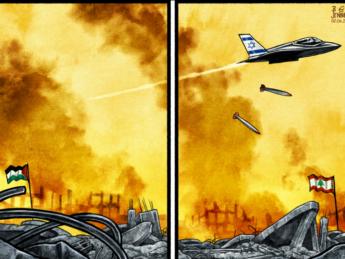
A propagandistic Guardian cartoon about destruction in Lebanon and Gaza erases terror groups entirely, and is a perfect illustration of the outlet's myopic coverage of the war which began when Hamas carried out their barbaric pogrom on Oct. 7.
NPR carefully avoids placing an iota of responsibility for the damage to southern Lebanon on Hezbollah. In a recent story designed to make it appear as if Israel was destroying homes for no reason, one man NPR interviewed told listeners that nice houses don't house weapons.
NBC, ABC and NPR reported last week on Israel's intensified strikes in Lebanon and how they might interfere with a potential ceasefire deal between the United States and Iran. The reports gave only half the story, omitting mention of Hezbollah's conduct.