“Reduced U.S. interests in the Middle East” is a fantasy, stemming from the illusion of U.S. oil independence. One would think that rising gas prices would have ended this myth by now after exposing how U.S. prices still reflect global production. On top of that, U.S. allies and partners in Asia and Europe, which Walldorf elevates as priorities, need Middle Eastern oil for their own economies.
Several statutes require the executive branch to report the provision of aid to Congress and explain how Israel uses it according to those constraints.
The New York Times published a second article on Israel's alleged plan for regime change in Iran. Just like the first article on the topic, this report too demonstrates serious issues.
Multiple major news organizations spread Iranian regime propaganda regarding how many mourners participated in former Iranian Supreme Leader Ali Khamenei's funeral procession. News consumers should demand that their providers refuse to spread unverified claims, argues CAMERA's Jennifer Kouzi in JNS.
For decades, Trita Parsi has espoused the Iranian regime’s talking points with no pushback. ABC's Linsey Davis recently interviewed the Quincy Institute executive vice president, where that trend continued.
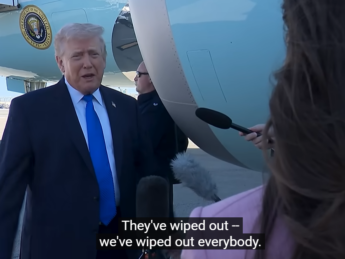
UPDATED: After communications with CAMERA, the Washington Post corrected after publishing a doctored quote attributed to President Trump. The fake quote supported their narrative of blaming Israel for complicating Trump's efforts to make peace with Iran.