Initially, AP failed to cover the death of Nesya Karadi, 11, who succumbed to fatal wounds incurred Passover eve in an Iranian cluster bomb missile attack on her Bnei Brak home. She was Israel's latest fatality, all of them civilians, from Iranian missiles during the spring 2026 war. AP heeded CAMERA's call to cover the girl's story, which then appeared in more than 150 secondary media outlets.
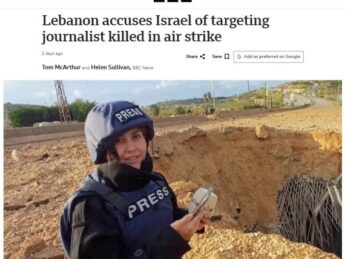
Omitting critical information about the deadly incident in which Amal Khalil, who worked for the Hezbollah-affiliated Al-Akhbar, was killed, BBC advances the false narrative that Israel targets journalists.
CNN presented a Qatari royal family member with military training and a documented anti-Israel record as an independent Middle East expert without disclosing these key aspects of her background.
NPR's reporting on Lebanon sounded like it had been scripted by Hezbollah's media arm. By distorting history, ignoring Hezbollah's attacks on Israel and ceasefire violations, and leaving out important context, NPR cast Israel as the perpetual aggressor.
To credibly claim his remarks as the only, or even the most important, factor in Iran’s decision-making requires more evidence than the impression of yet another anonymous “person familiar with” the situation, which CNN failed to provide.
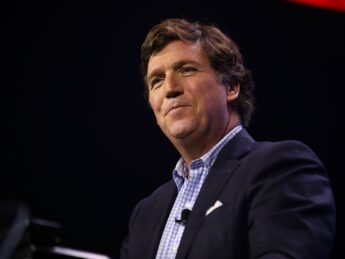
Quality journalism requires curiosity, skepticism, and an appreciation for nuance. A good journalist would have cited thoughtful critics of the war, not Carlson, a racist kook whom most Americans, including Republicans, do not view favorably.
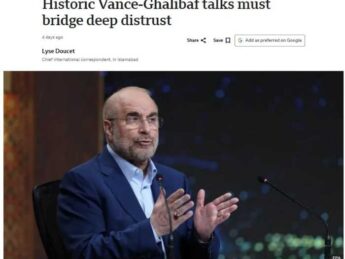
If BBC Swahili, BBC Turkish, BBC Indonesia, and BBC Hausa could provide an informative profile of Iranian negotiator Mohammad Ghalibaf – in some cases two weeks before the talks in Islamabad – then the corporation’s English-language services should surely have been able to follow suit.
ABC News profiled atrocity denier and terrorist supporter Rania Khalek, where she was allowed to spread misinformation about IDF operations in Lebanon, unchallenged. Close in time, two other videos featured ABC correspondents who suggested the IDF was not only targeting Hezbollah in Lebanon.
Two different interviews, one with a Pakistani diplomat and one with an Israeli diplomat, showcase how the BBC uses language and framing to construct a narrative. This allows the corporation to purport to show both sides of a conflict, while presenting those sides in a way to whitewash one and vilify the other.
It’s impossible not to see within Goodall’s caricature of an all-powerful Israel nefariously determining the fate of the world an evocation of toxic conspiratorial tropes about Jewish or Israeli power – a cabal of bad actors representing an organic obstacle to peace and progress.