
On April 25, 11-year-old Nesya Karadi, who was fatally injured in an Iranian cluster bomb attack in her Bnei Brak neighborhood, passed away from her wounds. Since the April 1 Passover eve attack, she had fought for her life at the Sheba Medical Center in central Israel. At her funeral, the girl’s grieving father eulogized her, saying Nesya “taught me what true joy is.”
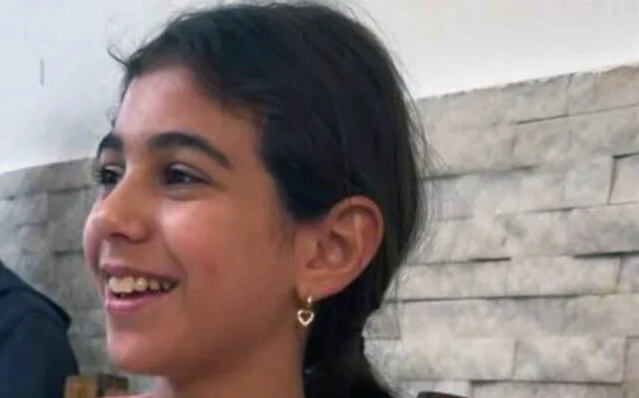
Nesya Karadi, 11, fatally injured in an April 1, 2026 Iranian cluster bomb attack on Bnei Brak in central Israel. (Social media, used in accordance with Clause 27a of the Copyright Law)
By April 26, the Associated Press, a leading wire service which daily publishes more than 1,260 stories and which boasts a robust Jerusalem bureau, had not mentioned the young girl’s death. Nor did the media outlet take Karadi into account in its running death toll of those killed by Iranian missile attacks in Israel.
CAMERA’s Israel office contacted the news agency about the failure to report the latest fatality in the cluster munition attacks on densely populated Israeli residential areas. As a result of this communication, the wire service included the following item in its April 26 live updates about the war with Iran (“Israeli girl wounded in Iran missile strike dies weeks later“):
An 11-year-old Israeli girl who was critically wounded in an Iranian missile strike earlier this month has died of her injuries, according to Sheba Medical Center.
The girl had been hospitalized at Sheba since the attack. She died on Friday after several weeks in critical condition.
She was wounded when a missile struck a residential area in the central Israeli city of Bnei Brak on April 1 and had remained in critical condition for several weeks.
Her death raises Israel’s death toll from the war to 39.
More than 150 news sites across North America subsequently published this information about Karadi; that’s more than 150 news sites which otherwise would not have said a word about Nesya Karadi’s tragic killing in a cluster munition attack, almost certainly a war crime when targeting populated areas. The media outlets included the sites belonging to publications such as The Las Vegas Sun, U.S. News & World Report, Seattle Times, Dallas Morning News, The Connecticut Post, and many more, alongside scores of sites affiliated with local radio and television stations across the United States, including affiliates of ABC, NBC, Fox and CBS.
Although the AP quickly acknowledged that it should have covered Karadi’s death and forthrightly did so, the news agency has yet to have update its running count of fatalities in Israel incurred from Iranian missile attacks. On April 20, before Karadi died from her fatal wound, AP cited 23 fatalities in Israel. Today, following Karadi’s death, AP still cites 23.
All of the fatalities within Israel from Iranian missile attacks, plus the four in the Palestinian-controlled West Bank, were civilians, underscoring Iran’s use of the cluster bomb weapon against populated areas. In a study picked up by Fox News and that The New York Sun, CAMERA’s David Litman demonstrated that in the spring 2026 Iran-U.S./Israel war, journalists flipped reality, depicting U.S. and Israeli actions as illegitimate by labelling them “war crimes,” while simultaneously creating a perception of legitimacy, by way of omission, for the Iranian regime even as it regularly lobs cluster munitions at densely populated cities. Though Iran’s missile attacks halted with the April 8 ceasefire, CAMERA tirelessly persists in ensuring that the victims of these heinous attacks are neither overlooked nor erased.