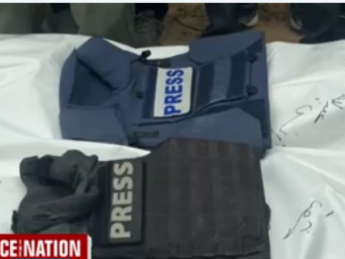
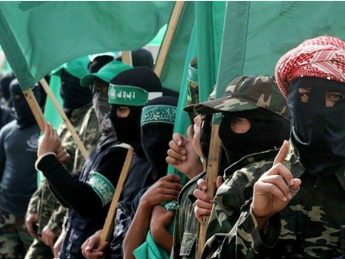
Media outlets have a moral duty to help undo the damage they have inflicted on both the Jewish state and journalism after reporting which falsely identified terrorists as journalists, CAMERA's Shay Khatiri writes in National Review.
They put on kid gloves with a U.S. enemy and wear brass knuckles against America’s closest partner in the Middle East, CAMERA's Shay Khatiri writes at JNS.
By ignoring the threat that Hamas posed to Israel, The Washington Post's Shadi Hamid was free to accuse Israel of using excessive violence and committing war crimes in its war against Hamas, David Gerstman writes in The Jerusalem Post.
Gaza’s civilian deaths have become a weapon in the information war, creating a dangerous incentive to put civilians in harm’s way, CAMERA's Leah Benoz writes in The Jerusalem Post.
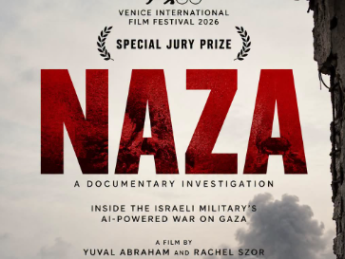
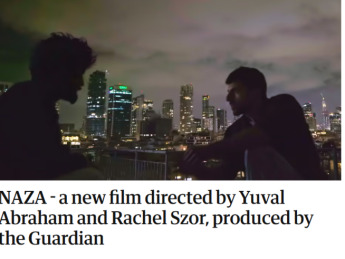
“NAZA” claims to “describe things as they really are.” Based on Yuval Abraham’s track record, the film expects a gullible audience to blindly trust but not verify, CAMERA's Shlomi Ben-Meir writes in TheWrap.
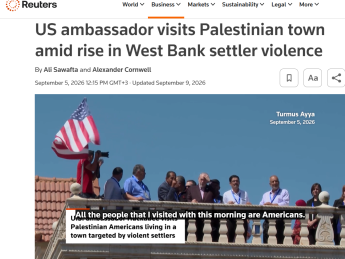
There is nothing American about weaponizing U.S. citizenship, CAMERA's Tamar Sternthal writes in The Washington Times. It is time for journalists to look past the strategically placed American flags to the inconvenient facts of terrorism — even if it means exposing a town that is no place like home.
What exactly was the audience applauding when the screening of Naza ended at the Venice Film Festival? What was it? The war? The addition of yet more false material intended to constrain Israel’s ability to defend itself, asks CAMERA Español's Marcelo Wio in The Objective. Or the fear of ostracism, of cancellation, of the social, artistic, and moral gulag?
Imagine for a moment if a far-right U.S. filmmaker made an anti-black documentary with a variation of the “N”-word as the title, but without the “r” at the end, CAMERA's Adam Levick writes at JNS. The moral equivalent of such an obscene racist swipe, though aimed at another historically oppressed minority, was used in the title of a documentary produced by The Guardian newspaper.
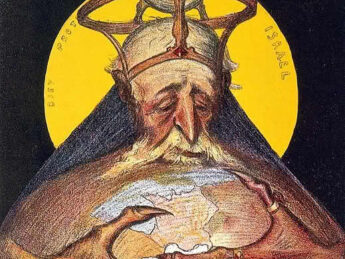
The Associated Press and NPR framing of Israel as an isolated pariah or the Wall Street Journal's framing of the Jewish state as great and powerful reflects the anti-Jewish tropes that have been popularized through the ages.
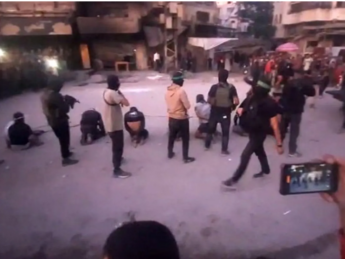
Despite extensive citation of the NGO in their coverage of Israel and Gaza, the BBC and New York Times have yet to report on Amnesty International’s findings on Hamas’ extrajudicial killings, CAMERA's Maia Zelkha writes at JNS.