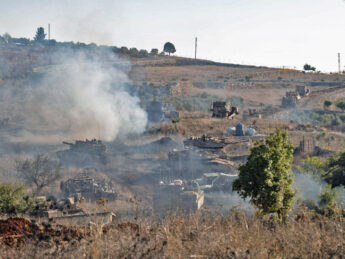
PBS recently covered the ongoing fighting in Lebanon between the IDF and Hezbollah. But the outlet's coverage disproportionally focused on the effects of the fighting in several Hezbollah-linked villages, and not the cause.
It's unacceptable that media reporting on fatalities incurred in Israeli military operations almost never note that the combatant to civilian ratio is 1:1 in Lebanon and 1:2 in the Gaza Strip, CAMERA's Shay Khatiri writes in JNS.
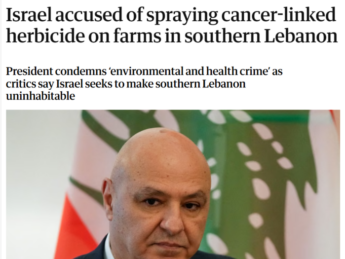
More evidence that the demand by Guardian readers for new anti-Israel libels continues to greatly outstrip supply is found in an article falsely accusing Israel of using a cancer causing agent in South Lebanon as part of their campaign of "ecocide".
CAMERA noted that The New York Times met its standards with regard to source attribution for claimed Israeli casualties, but not for Lebanese casualties. The New York Times amended its coverage as a result.
In a supposed overview of Israel's military engagements in four fronts over the last 25 years, NPR left out critical, historical facts. The result was a report that focused only on Israel's present military positions, without explaining what transpired between then and now.
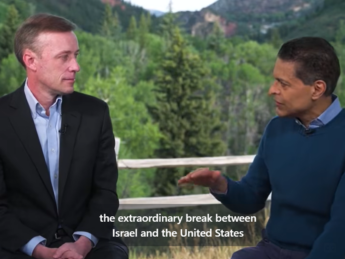
CNN’s Fareed Zakaria and former NSA Jake Sullivan's recent exchange displayed a stark disregard for the hardships of daily life in wartime Israel. After all, advocating for a flawed peace is easy when you never have to endure the catastrophic consequences of its collapse.
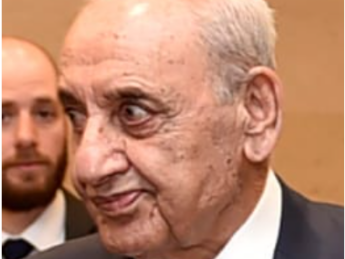
The New York Post wrongly alleges that "Lebanon" says it will not honor the ceasefire agreement signed June 26 by both Israel and Lebanon. In fact, the rejectionist comments came from Parliament Speaker and Hezbollah ally Nabih Berri, who is not tantamount to "Lebanon."
In an interview with a former Lebanese diplomat and presidential candidate Tracy Chamoun, NPR allowed omissions and lies to guide the conversation. The lack of pushback enabled the promotion of Hezbollah propaganda and revisionist history.
Dalal Saoud, reporting from Lebanon for United Press International, "opened a support front" — to borrow from her own ambiguous terminology for Hezbollah's unprovoked rocket attacks on Israel — on behalf of the Iranian proxy.