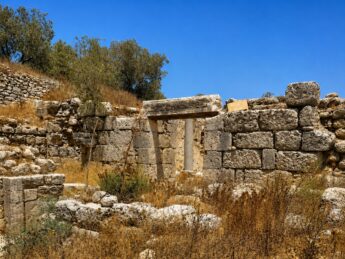
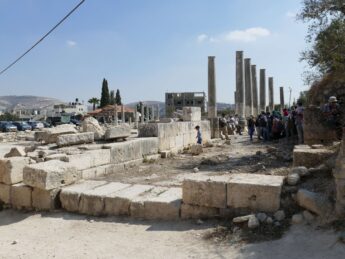
The Week attempts to build a narrative of Israel “attempting to seize the land around archaeological sites,” such as Sebastia, the capital of the ancient Kingdom of Israel. But this narrative is backwards. It relies on omissions to rhetorically reverse cause and effect.
What do CNN and the British Museum have in common? Under the guise that ancient history belongs to everyone, both use a site's long history of foreign invasion as an excuse to erase the original indigenous people who built it.
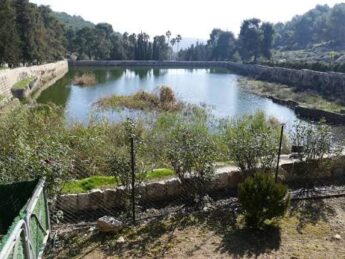
The Guardian published an article framing as sinister Israeli interest in Solomon’s Pools, three giant cisterns that were part of an extensive water infrastructure in the Judean hills that supplied water to the Jewish Temples in Jerusalem
NPR has a long-standing formula. Both in 2009 and 2026, it ran stories about the same man in the same area in Jerusalem. Then and now, NPR used anti-Israel human rights organizations and Israeli activists to make false claims about the demolition of illegally built homes and to call the building permit process discriminatory.
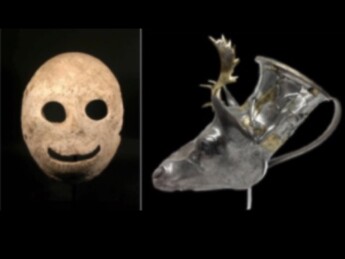
This week: Hamas's marching orders for Al Jazeera, Palestinians openly discuss Hamas's use of hospitals, new archaeological finds, and the International Court of Justice's irrelevance.
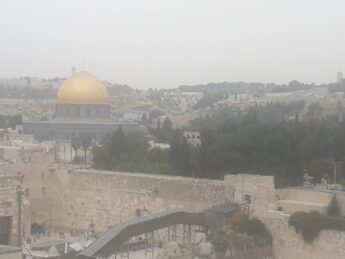
Rather than correct an Arabic article which falsely depicted the undisputed archeological fact of the Jewish temple's presence on the Temple Mount as nothing more than a Jewish belief, AFP erased all mention of Judaism's connection to the site.
Once again, the New York Times has taken aim at Jewish history. Once again, in doing so, the paper has shown that, given the choice between embracing anti-Israel narratives or straightforward, factual journalism, it too often chooses the former.
AFP points an accusing finger at Israel for not handing over disputed antiquities to the Palestinian Authority while completely ignoring the relevant Oslo Accords.
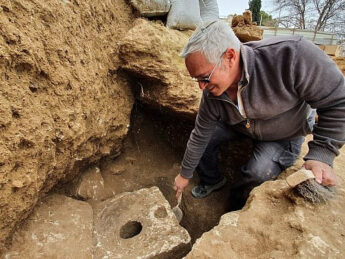
The AP’s report on the discovery of a First Temple era toilet omits Jewish references, while a NY Times Rosh Hashanah recipe evokes ’Canaanites,’ not Israelites.
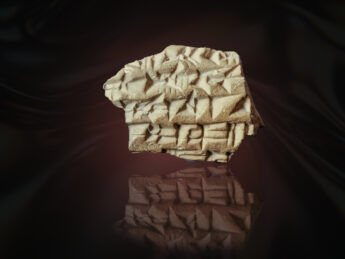
While CBC contorts itself to avoid stating that the newly uncovered Dead Sea scrolls were found in Israel, Alhurra yesterday published a straightforward correction of its Arabic report.