In writing about the temporary, extended ceasefire between Israel and Lebanon/Hezbollah, NPR needed only one sentence to subtly manipulate readers into believing Hezbollah's war is only on the Israeli military whereas Israel's war is on Lebanon generally. In doing so, it crafted a narrative and inverted reality.
NPR's reporting on Lebanon sounded like it had been scripted by Hezbollah's media arm. By distorting history, ignoring Hezbollah's attacks on Israel and ceasefire violations, and leaving out important context, NPR cast Israel as the perpetual aggressor.
The hosts of NPR podcast Code Switch searched for sociological explanations in their quest to understand why so much attention was paid in Gaza but so little to Sudan. Those who have recognized the media's hyper-fixation on the conflict in Gaza could have answered the question in four words: No Jews, no news.
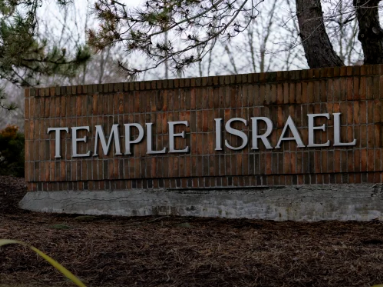
CAMERA previously wrote about how NPR crossed the line with its sympathy piece on terrorist Ayman Ghazali and his hometown. While NPR's public editor recently acknowledged there were no voices from the Temple Israel community on NPR's website, her other comments served only to reassure the audience that NPR's softness on terror will continue.
While American news outlets obsess over bashing the American and Israeli administrations for striking Iran as well as their conduct during the war, Iran is portrayed as a victim of Western aggression, rather than as the top state sponsor of terror that has long oppressed its own people.
Packaged as "Iran experts," the same voices are platformed all over the media echoing one another. Without letting news consumers know they are pushing pro-regime talking points, the media has allowed for the invasion of a different IRGC.
On the border with Lebanon, Israeli residents described their daily realities of instability, sleeplessness, and the constant need for resilience amid war with Hezbollah and Iran. Outside of Israel, International Quds Day drew tens of thousands of demonstrators, rallying in support of designated terrorist organizations.
NPR's typical whitewash of terrorism plunged to new lows as it engaged in terror apologia. In its sympathy piece on a homicidal Jew-hater who perpetrated a terror attack on an American synagogue and the Lebanese town from which he originally hailed, NPR crossed new lines.
In reporting on IDF operations in Lebanon against Hezbollah, NPR omitted critical context and tilted the narrative, making Israel seem as if it was striking in Lebanon without justification or provocation.