Twice in the last several weeks, NPR described the "West Bank" as Palestinian territory, despite the fact that it is widely supported and understood internationally that exact borders will be determined in final status negotiations. NPR ignored CAMERA's multiple requests for correction.
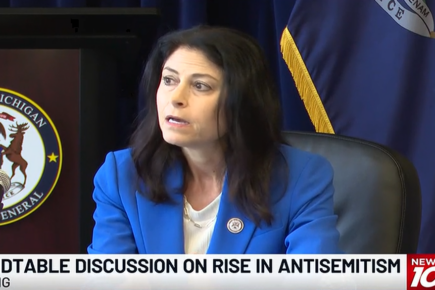
Have you read about: Michigan's history of political antisemitic harassment and intimidation; more proof that the Gaza famine never was; and Ireland's flying blind hatred of Jews?
NBC, CNN, and AP all committed the same blunder this week: sourcing their reports using testimony from both a Hamas-linked organization, and an infamous spokesman in Gaza who Israel alleges is an active member of Hamas' military wing. The kicker? They didn't inform the reader of his terror connections.
After finding a home with fringe figures Hasan Piker and Owen Jones, the conspiracy theory according to which Israel and the U.S. engineered the mass infiltration of Moroccans into the Spanish autonomous cities washed up in Spain's El Periódico.
The Week attempts to build a narrative of Israel “attempting to seize the land around archaeological sites,” such as Sebastia, the capital of the ancient Kingdom of Israel. But this narrative is backwards. It relies on omissions to rhetorically reverse cause and effect.
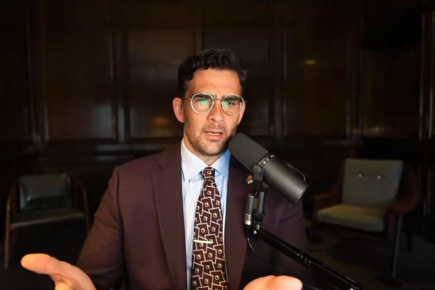
Mancini also failed to scrutinize any of El-Sayed’s arguments. The old rule in journalism, “If your mother says she loves you, check it out,” is no longer operational.
CAMERA noted that The New York Times met its standards with regard to source attribution for claimed Israeli casualties, but not for Lebanese casualties. The New York Times amended its coverage as a result.
The New York Times keeps trying to figure out why the U.S. went to war with Iran. Having proposed multiple answers, it now offers another one -- producing confusion instead of clarity.
Rather than investigating whether the United Nations' exceptional scrutiny and condemnation of Israel is justified, the BBC usually simply amplifies it.