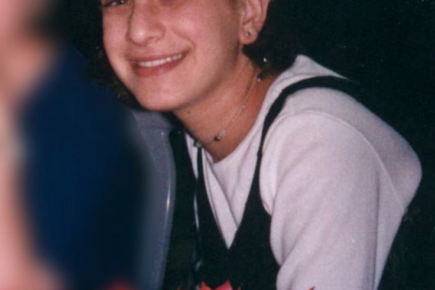
The parents of American Malki Roth, killed in a terror attack 25 years ago in Israel, sue one of the terrorists responsible. A new website helps Israeli and Jewish travelers find safe(r) destinations. The IDF locates the grave of a soldier after almost 78 years.
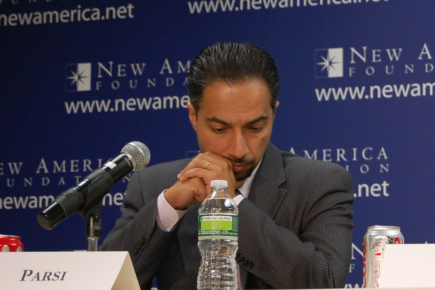
Trita Parsi is back on ABC, where he continues to do Iran's PR for them. This time, the Quincy Institute man is making excuses for threats against President Trump's life.
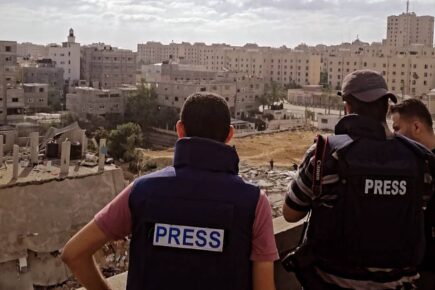
CNN cited the Reporters Without Borders index to illustrate a decline in Israeli press freedom. But why is Israel ranked lower than Qatar and even Western Sahara on the Reporters Without Borders Index?
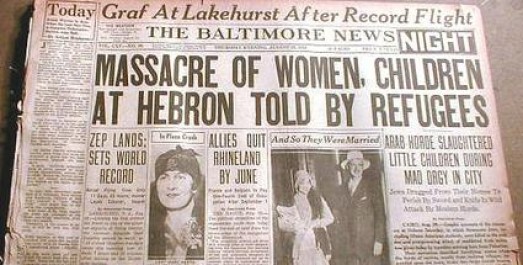
While nothing much shocks us anymore about the Guardian's institutional hostility to Israel and Jews, it's important to stress that, until now, we've never previously encountered an inversion of the 1929 Hebron Massacre that frames Jewish victims as the culprits at any other British outlet.
This article challenges coverage by CNN and The Wall Street Journal that singularly blames Israel for the decline of Holy Land Christian life. Through investigation and interviews, it exposes overlooked Islamic intimidation, corrects misinterpreted statistical data, and unpacks the multi-sided realities on the ground.
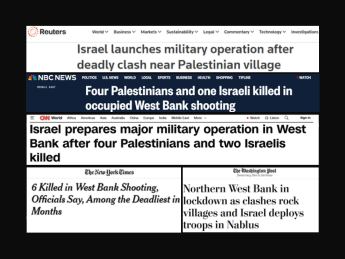
Same day reporting by CNN, Reuters, The Washington Post, and The New York Times framed the incident near Tell as a case of settler violence, while omitting key details. Because these mainstream media failed to do their jobs, it befell to CAMERA to investigate who the individuals involved in the incident were.
Twice in the last several weeks, NPR described the "West Bank" as Palestinian territory, despite the fact that it is widely supported and understood internationally that exact borders will be determined in final status negotiations. NPR ignored CAMERA's multiple requests for correction.