Hamas hijacks UNICEF aid trucks carrying food for children - the same aid trucks a UN Commission of Inquiry claimed didn't exist - and Greta Thunberg's flotilla mutinies over "queer militants."
It has now been nearly two years since October 7, the largest slaughter of Jewish civilians since the Holocaust. Israeli military success has been great, defying international critics and a biased press corps.
On a recent podcast, Megyn Kelly said that “Israel needs to wrap up this war .... This is a crisis for Israel, [a] PR crisis,” and Bill Ackman reports that young conservatives are “getting tired of defending Israel.”
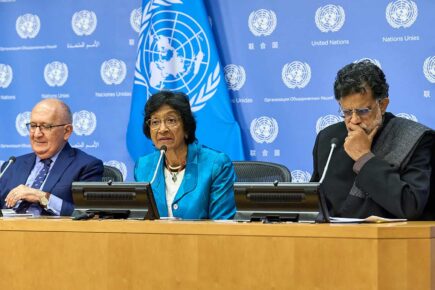
The UN’s latest “genocide” report recycles disproven claims about the percentage of those killed in Gaza who are civilians, a lie used to buttress their accusation. By citing the Guardian’s farcical statistic while erasing Hamas’s atrocities, the Commission’s report represents propaganda dressed up as law.
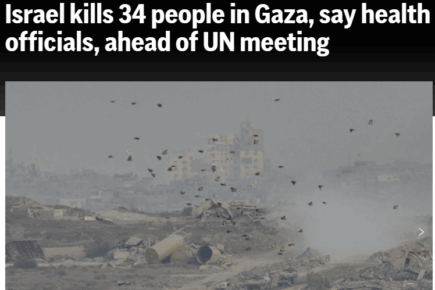
Associated Press' headline had stated as fact "Israel kills 34 people in Gaza," though the claim is unverified. The improved headline, appearing in dozens of media outlets, now qualifies with attribution, stating "health officials say." (Unmentioned, though, is the Hamas-affiliation of said officials.)
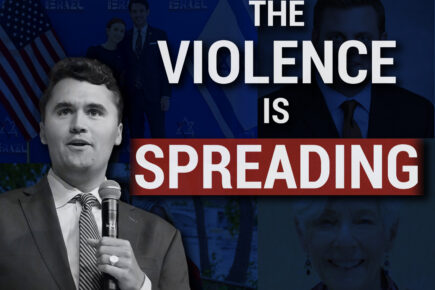
Violence against Jews and those who stand with them has long been a sign that a civilization is in danger.
It’s a warning that the broader culture of law, civility, and debate is unraveling.
In an open letter, experts explained that IAGS failed to accurately apply the law and facts of the war and emphatically concluded that the Jewish state is not guilty of genocide. The New York Times ignored the letter even while repeatedly platforming the "genocide" slur.
The International Holocaust Remembrance Alliance (IHRA) working definition of antisemitism is the gold standard for identifying antisemitism. So why do some still call it controversial?