The MTA’s tax-exempt status exists to support its work on behalf of teachers’ working conditions, not to fund political campaigns or promote foreign policy positions, argues CAMERA's Jany Finkielsztein.
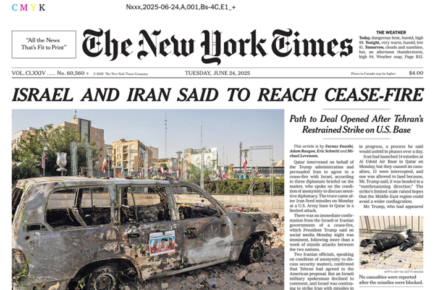
Given its past interest in the misuse of ambulances in Iran, The New York Times' sudden silence on reported IRCG abuse of the medical vehicles in its war against Israel is deafening.
Journalists, forced to weigh in on breaking news events before have all the facts, responded quickly to the breaking news of a U.S. strike on Iran's nuclear sites. How they reported was a litmus test of their anti-Zionist bias.
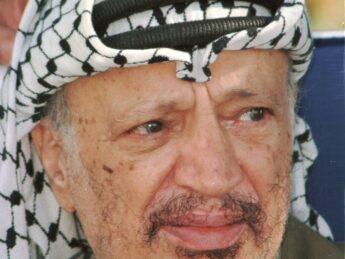
Palestinian politics, a subject long neglected by the media, is entering a transitional phase. And as CAMERA tells the Washington Examiner, the past is prologue: the Palestinian movement, enabled by the press and policymakers, has prioritized violence and rejectionism over institution building.
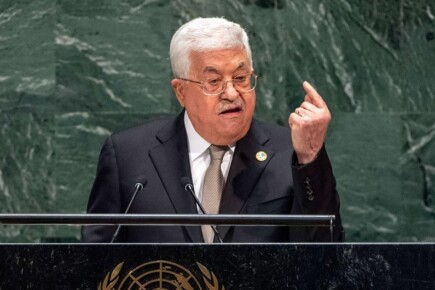
Palestinian Authority head Mahmoud Abbas turns ninety this year. And as CAMERA tells the Washington Times, the Authority's collapse is a very real possibility.
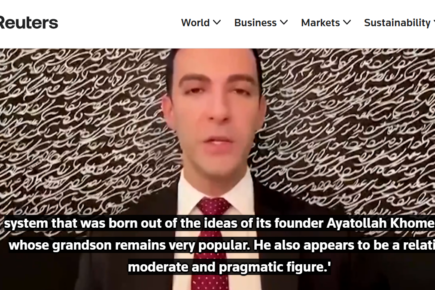
Reuters relies on Ali Vaez, alleged to be an undisclosed influencer on behalf of the Iranian regime, to promote Hassan Khomeini as a "relative[ly] moderate" successor for the Islamic Republic's Supreme Leader. The purported "pragmatist" has previously shared his plans for wiping out Israel.
The BBC was quick in promoting the Iranian regime’s disinformation but when its false claims and maps were debunked, the corporation suddenly lost interest, failing to provide its audiences with a prominent and transparent explanation of why those claims were false and failing to amend reports that amplified them.
The BBC’s reporting on the Geneva talks included a glaring factual error and omitted key details about Iranian attacks on Israeli civilians. Hadar Sela reveals how these mistakes and selective reporting distort the story and echo uncritical Iranian regime narratives.
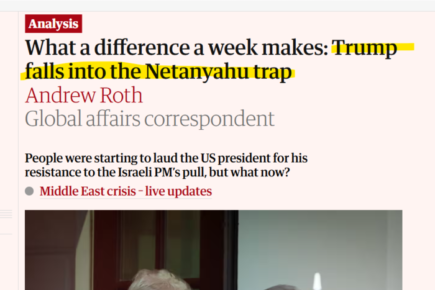
After the U.S. bombed Iranian nuclear sites, the Financial Times and Guardian pushed the toxic trope that Israel manipulated President Trump into war. Adam Levick exposes how this narrative revives antisemitic conspiracy theories under the guise of foreign policy analysis.