The Wall Street Journal has embedded the theological drivers of Jewish extremism deeply into its coverage ecosystem while leaving Palestinian terror ideology entirely unexamined, CAMERA's Darcie Grunblatt writes in JNS.
PBS recently covered the ongoing fighting in Lebanon between the IDF and Hezbollah. But the outlet's coverage disproportionally focused on the effects of the fighting in several Hezbollah-linked villages, and not the cause.
NPR misled its audience when it edited out critical portions of Israeli Defense Minister Israel Katz's remarks, twisting his words into something nefarious.
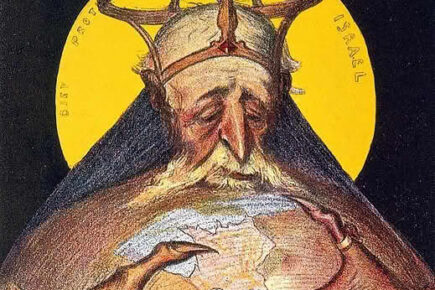
The Associated Press and NPR framing of Israel as an isolated pariah or the Wall Street Journal's framing of the Jewish state as great and powerful reflects the anti-Jewish tropes that have been popularized through the ages.
As the Jewish Chronicle revealed last weekend – based on CAMERA’s research – a BBC Arabic segment about cultural life in Gaza featured two contributors who have expressed antisemitic and pro-violence views on their social media accounts. Yet, their hateful views weren't challenged or revealed - in violation of BBC Arabic's own editorial standards.
It's unacceptable that media reporting on fatalities incurred in Israeli military operations almost never note that the combatant to civilian ratio is 1:1 in Lebanon and 1:2 in the Gaza Strip, CAMERA's Shay Khatiri writes in JNS.
The American Prospect features content at variance with the magazine’s avowed mission, misinforming readers while spreading inaccurate claims about the State of Israel, American Jews, and Christian Zionists.