One pilot stabbed another on a FlyDubai flight en route to Tel Aviv, resulting in the stabbed pilot sending distress and hijacking signals. The plane took a nosedive and a mass casualty event was thwarted by brave crew members and Israeli passengers who subdued the attacking copilot. Despite this known information, early and mid-day mainstream media news reports sanitized the terrifying events as a "fight," "brawl," or "clash" in the cockpit.
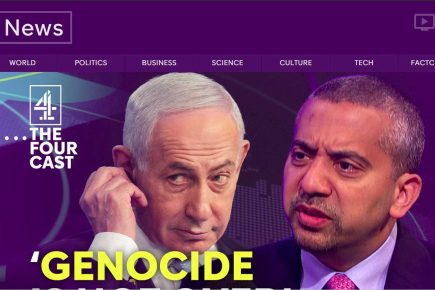
If Channel 4 news is going to lend its considerable platform and credibility to a personality such as Hassan, it is journalistically irresponsible to do so uncritically. Broadcast news has a duty of impartiality which requires it to identify relevant context. Allowing someone such as Hassan to pontificate on the nature of antisemitism without bringing opposing views, relevant social context or even the views of actual Jews, fails in that duty catastrophically.
By ignoring the threat that Hamas posed to Israel, The Washington Post's Shadi Hamid was free to accuse Israel of using excessive violence and committing war crimes in its war against Hamas, David Gerstman writes in The Jerusalem Post.
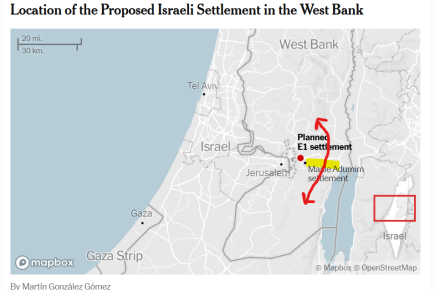
The New York Times corrected errors in its reporting on E1 development in 2012. This month, it made the same errors but refused to make the same corrections.
NBC's recent coverage of West Bank violence disproportionately focuses on settler violence against Palestinians. The outlet does not give similar journalistic rigor and in-depth reporting to Palestinian terror threats, leaving readers with a lopsided view of the region.
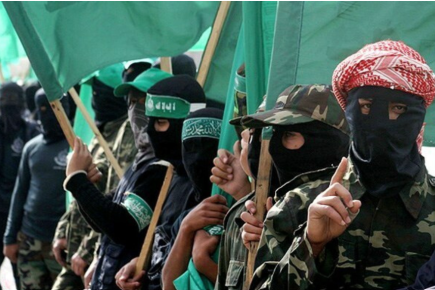
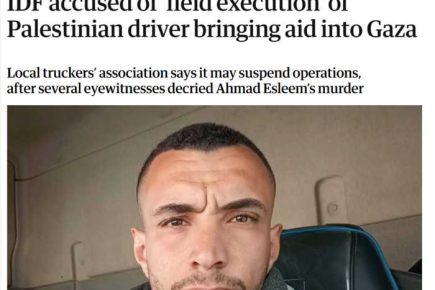
When British media outlets make editorial decisions which prioritise the media narrative of a terrorist organisation, fail to label the origin of their evidence, fail to report IDF denials and ignore opposing narratives entirely, the reporting process becomes one of laundering a Hamas narrative through sympathetic, or at worst affiliated, Gazan journalists, washing it off with the stain remover of western journalistic credibility, and presenting it, shiny and respectable, to a non expert audience missing half the facts and already primed to assume Israeli guilt.
With the media misrepresentations falsely painting him as a victim of political persecution, Macklemore enjoys a bump in his status. Thanks to his sudden new fame, the former mid-tier rapper is now better positioned to spread hatred against Jews.
Whether the result of inauthentic coordinated activity, hostile state-sponsored disinformation campaigns or foreign information manipulation, it is paramount that British media outlets conduct their own due diligence on the provenance of their sources and avoid drawing uncritically from terror-affiliated sources.
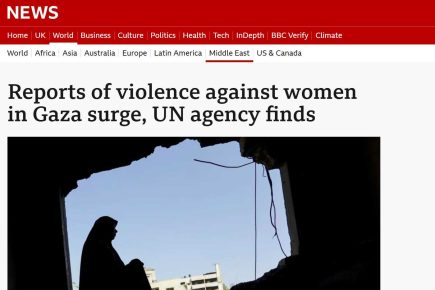
A serious examination of violence against Palestinian women should be capable of examining both the circumstances which make women vulnerable and the agency, choices and beliefs of those who exploit that vulnerability. The BBC's report overwhelmingly examines the former, Palestinian women deserve journalism willing to examine the latter too.