
CAMERA joins people of goodwill everywhere in keeping alive the memory of the victims of the October 7 massacre. On this anniversary, we remember the more than 1,200 innocent lives stolen and thousands more wounded. We will never forget the brutality of the Hamas-led attack, nor will we lose sight of the need for security for Israel and Jewish communities across the world.
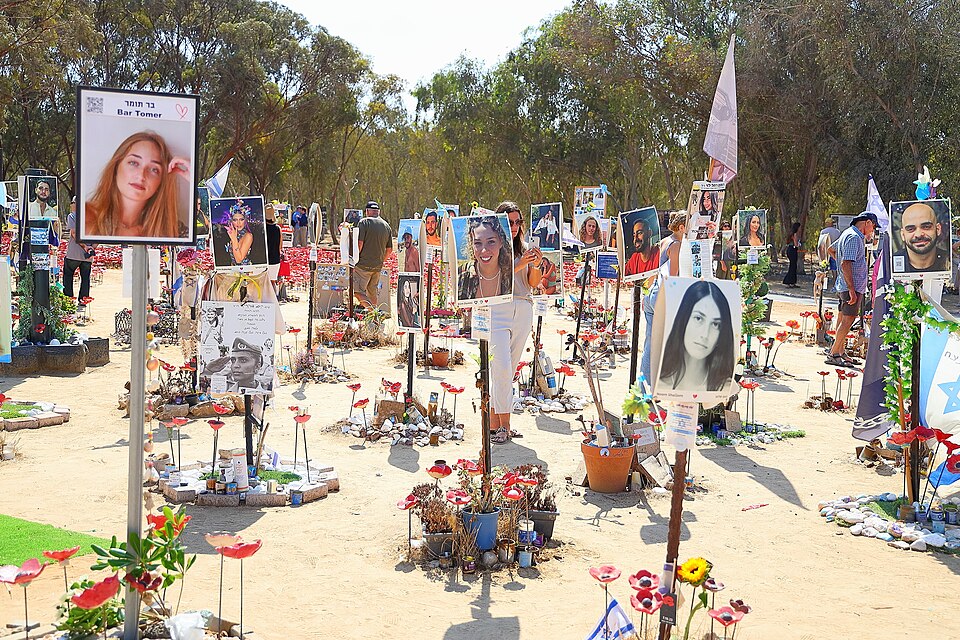
In the days and months since the attack, CAMERA has documented a relentless assault on Israel in the media, on campus, and online. We recognize that this fever pitch of anti-Zionism and antisemitism amounts to a continuation of Hamas's war by other means.
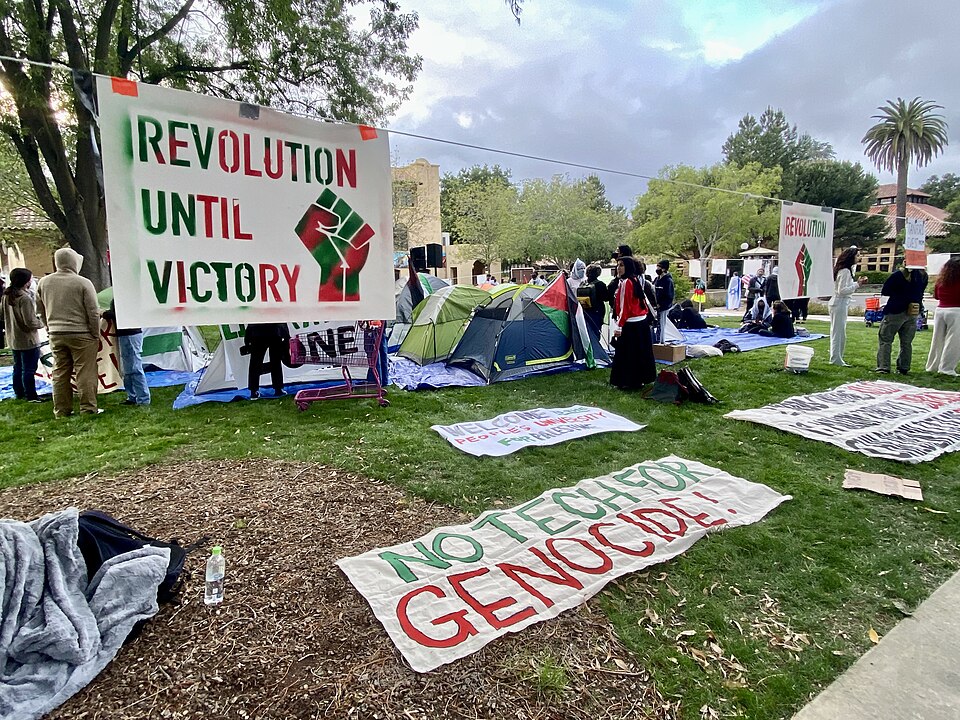
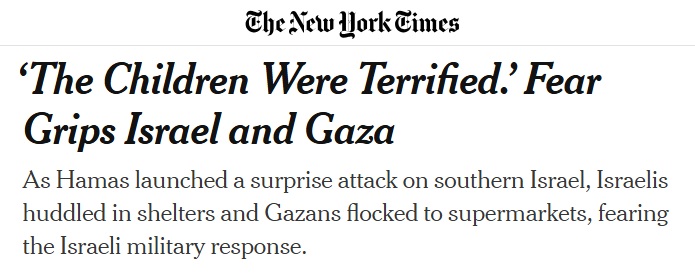
The tone was set on the very day of the massacre. On October 7, 2023, as Israeli families were being slaughtered in their homes and young people hunted at a music festival, a New York Times headline announced: "The children were terrified." It was not a reference to Israeli children targeted by Gaza terrorist groups, but rather to Palestinians.
This was the start of a pattern of journalism that upended the Oct. 7 story to turn Israel into the aggressor relative to its extremist adversaries.
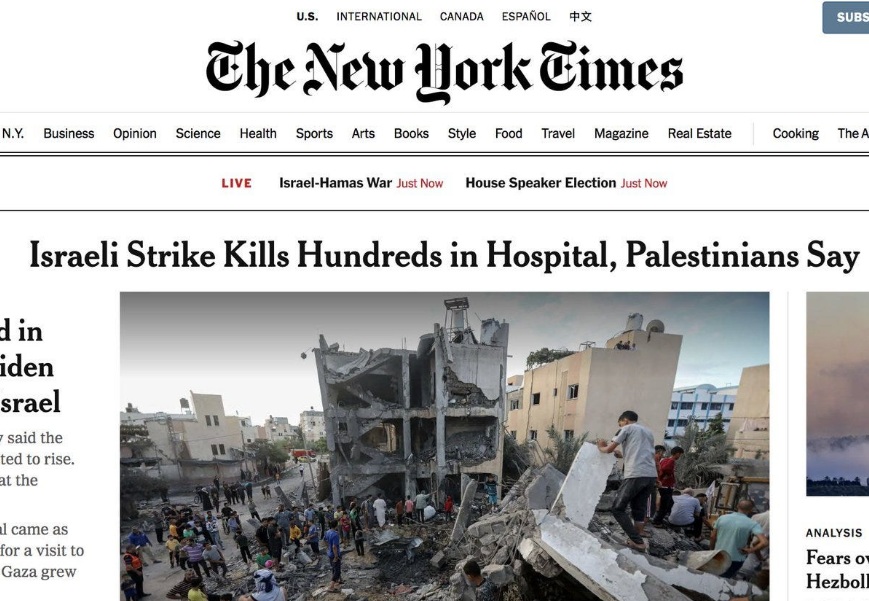
Just over a week after Hamas’s attack, headlines worldwide charged Israel with striking Gaza’s Al-Ahli Hospital, trumpeting Hamas’s unverified allegation and casualty figures. Israel denied responsibility. Intelligence agencies and independent investigations later concluded the blast was caused by a misfired Palestinian Islamic Jihad rocket.
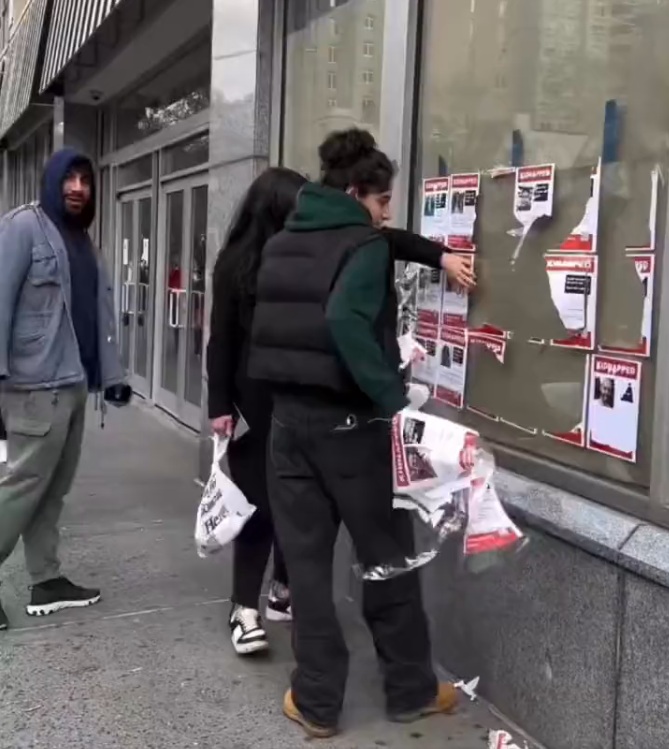
When posters of kidnapped Israeli civilians were systematically defaced and ripped down across major Western cities, major news organizations ignored or downplayed the anti-Jewish hostility. In response, CAMERA placed a billboard across the street from the New York Times offices deploring that paper’s false moral equivalence between those advocating for kidnapping victims and those attempting to silence them.
As the war continued, the libels against Israel intensified. UN officials and journalists spread the abject lie that 14,000 babies in Gaza were days away from dying of starvation—a fabricated figure that spread across the international news.
This was part of a slew of dishonest analyses that bent reality to argue Gaza was in the grip of a famine.
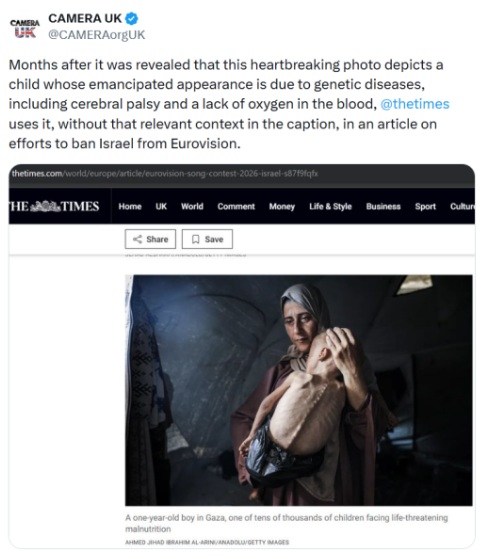
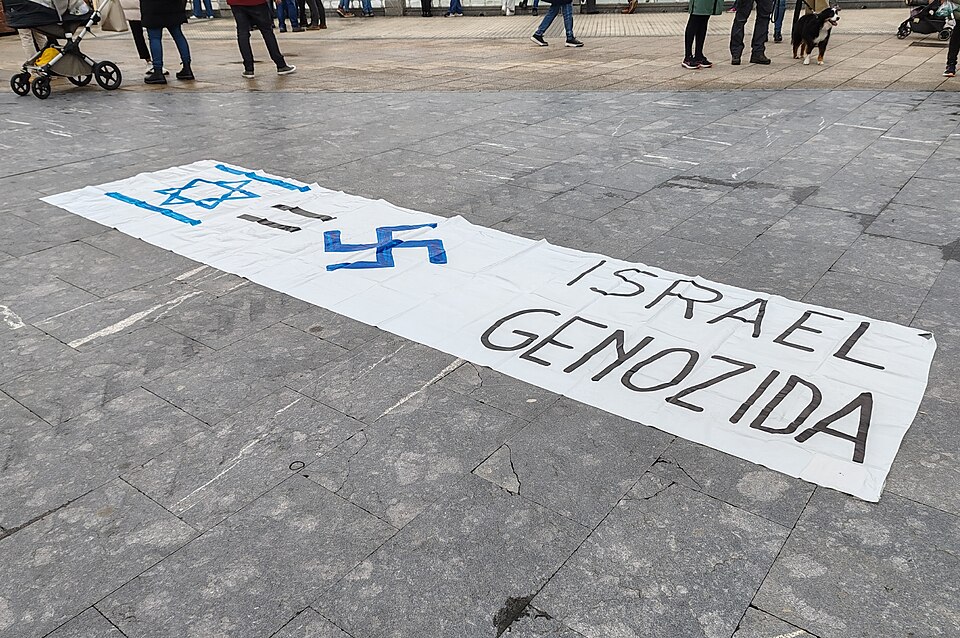
These pieces were building blocks meant to retroactively support the genocide libel — an ugly slur that was leveled almost immediately after Hamas’s Oct 7 attack. It is the main front of the anti-Israel propaganda war and the big lie meant to delegitimize Israel and justify anti-Jewish discrimination.
CAMERA has demonstrated how this campaign manufactured conclusions, failing to show genocidal intent while serving as an echo chamber for anti-Israel hostility.
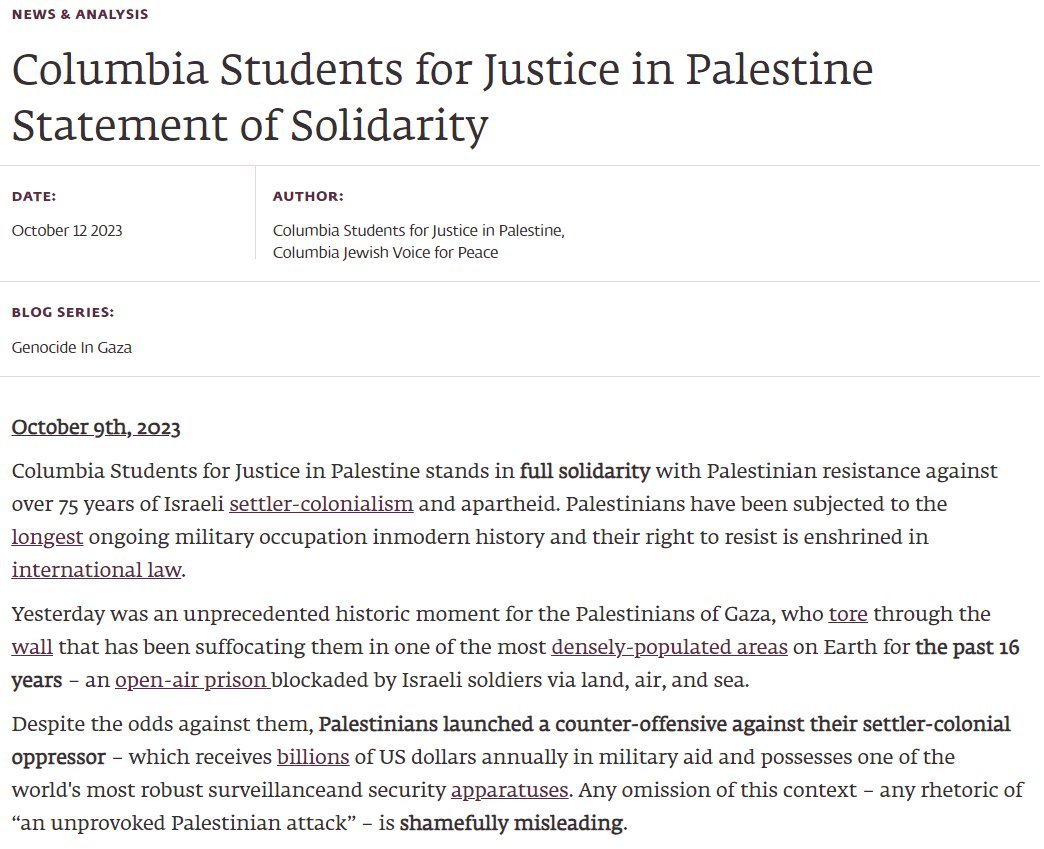
This media environment directly fueled hostility in higher education. At Columbia University, for example, student groups openly supported and celebrated the October 7 massacre, turning university grounds into hostile environments for Jewish students. The extremism of these groups was largely ignored by the press.
The timing and spirit of this anti-Israel propaganda campaign suggest it is a reaction not only to Israel's war on Hamas but also to the October 7 attack itself. And as with the al-Ahli hospital falsehood, it is born of an eagerness to erase the memory of the worst massacre of Jews since the Holocaust.
In one recent example, an anti-Israel article by WIRED magazine last week made repeated references to "October 2023," but failed to mention what actually happened that month.
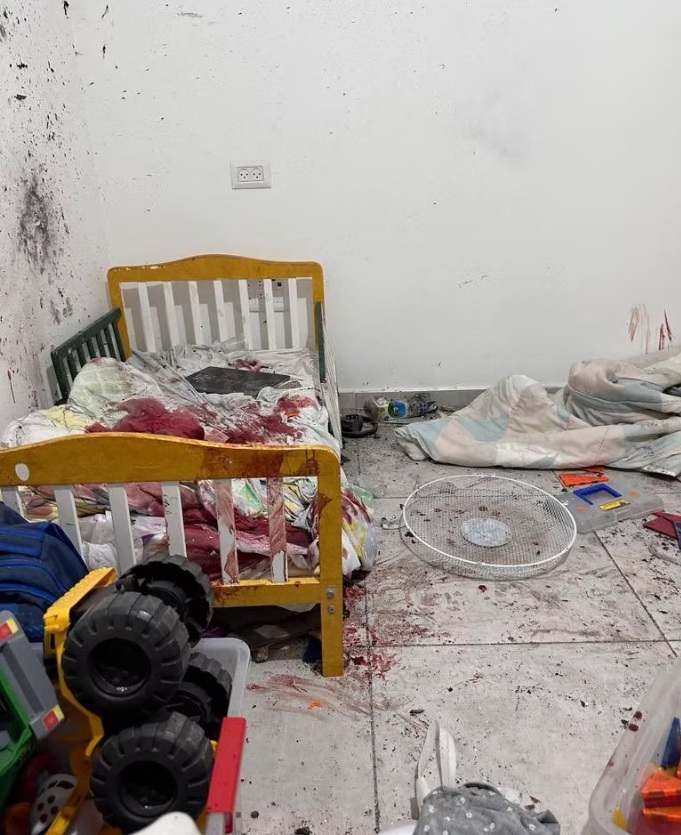
On the anniversary of the Hamas massacre, we commit to never forgetting what happened on Oct. 7.
Together, we all must continue the fight for truth.
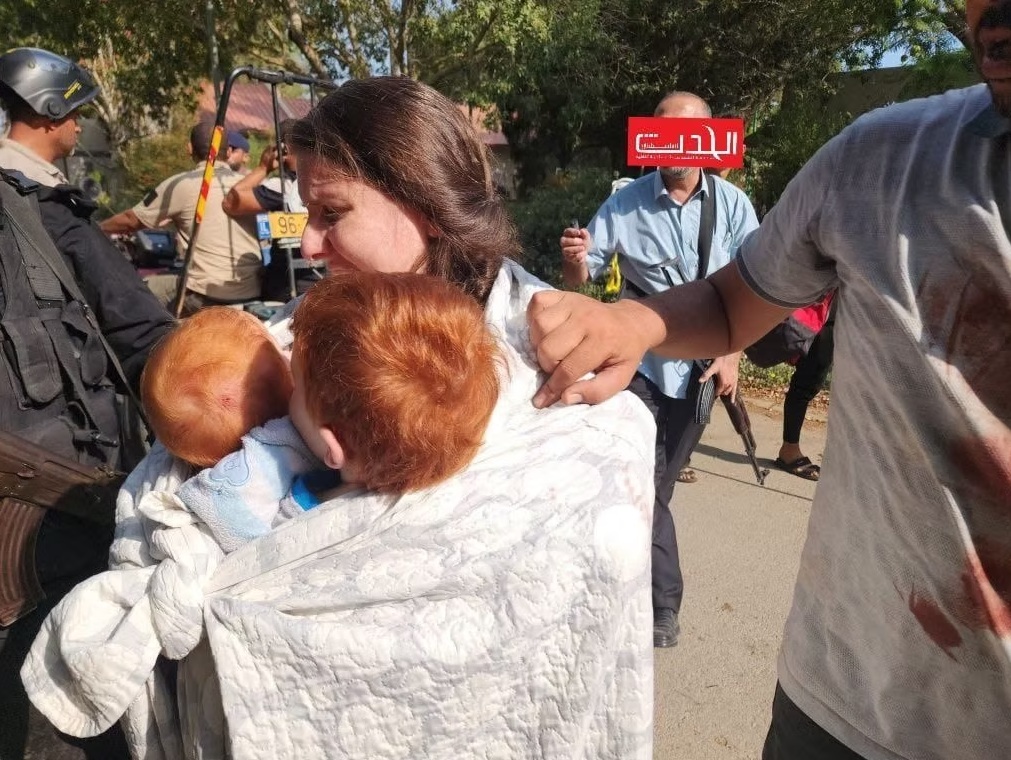
SWIPE TO CONTINUE ↓