NPR and the New York Times have reported on "rioters" before. So why, when covering crowds of men hurling stones, throwing firebombs, attacking a border fence, setting fire to fields and buildings, and shooting Israelis, does it describe the perpetrators as "protesters"?
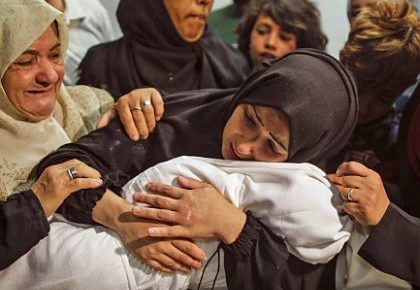
As Palestinians in Gaza, backed by Hamas and other Palestinian terror groups, continue to riot, and Israeli soldiers struggle to keep the demonstrators from the country’s borders, media coverage has often failed to accurately report on the clashes.
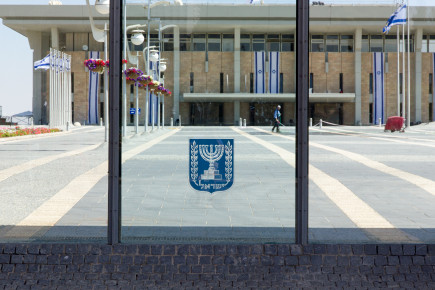
Following communication by CAMERA, the New York Times updated its piece to note that the new embassy isn't partially in east Jerusalem, but rather what was called "No Man's Land," which separated the western and eastern sectors of the city.
On Monday, the Palestinian president blamed the Holocaust and anti-Jewish pogroms throughout history on the Jews themselves. The New York Times initially passed on reporting the story — but two days later came around to publishing a piece.
Writing in the New York Times, MK Ayman Odeh claimed it is legal under Israeli law for the planned town of Hiran to racially discriminate against potential residents. In fact, the law explicitly forbids such discrimination.
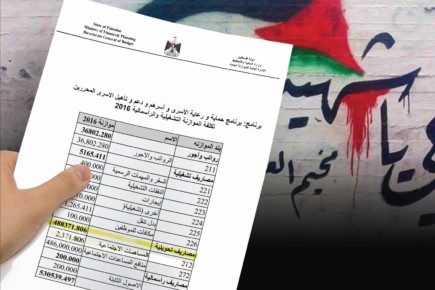
UPDATED: CAMERA prompts a correction after The Times' Nellie Bowles called the well-documented Palestinian Authority payments to terrorists' families a "far-right conspiracy." PA officials acknowledge the payments, states the correction. "[T]hat is not a conspiracy theory."
An Op-Ed in The Algemeiner describes how the New York Times is at it again -- with its formulaic blaming of Israel, this time for Israel's attempt to defend itself from the Hamas-orchestrated "March of Return".
"Battle Weary, Hamas Gives Peaceful Protests a Chance," insists a headline in the Times print edition, echoing John Lennon's famous anti-war lyrics. But the terror group also gives Molotov cocktails, attack tunnels, and talk of eviscerating Israelis a chance.
After the New York Times initially cast the Palestinian demonstrations and clashes as being a protest against Israel's naval blockade, the updated story correctly notes that it also is meant to demand a so-called "right of return."