Patrick Kingsley, the British-born Jerusalem Bureau Chief for the New York Times, formerly reported for the Guardian, a paper not known for fidelity to the truth, especially when it comes to Israel. The recent disturbances and fighting in Israel and Gaza have been the perfect opportunity for Kingsley to peddle Guardian-style agitprop to a new set of readers. Kingsley repeats one Palestinian myth after another, and even interviews bigots and Holocaust deniers, giving them space to slander Israel.
The New York Times Opinion pages bombarded readers with an unending stream of anti-Israel Guest Essays, curating a lack of empathy for Israeli Jews and a skewed understanding of the conflict.
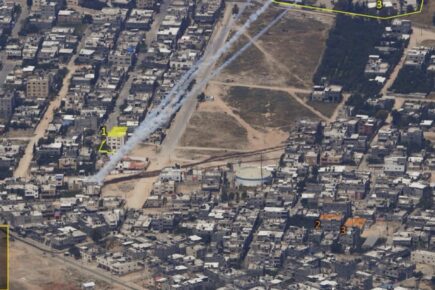
Are Hamas casualty figures are trustworthy? Are both sides guilty of war crimes? Is there nowhere in Gaza from where to launch rockets without endangering civilians? Is Tel Aviv a human shield?
If Jewish "settlement" once denoted illegitimate Jewish habitation in disputed territory, The New York Times is now expanding the term to signal illegitimate Jewish residency within cities acknowledged throughout the world as part of the Jewish state.
Why didn’t NY Times editors find a story about antisemitic hate crime in New York City -- that most other media outlets covered --newsworthy? Was it because the identity of the perpetrator did not support the narrative of antisemitism emanating solely from Nazis, the far-right, and white supremacists?
With Abbas' cancellation of elections on the pretext that Israel has not said it will permit voting in eastern Jerusalem, some reports mislead on Israel's Oslo-mandated responsibilities concerning Palestinian elections. As for Palestinian electoral responsibilities under Oslo, those simply aren't on the radar.
The New York Times, once priding itself as the “paper of record,” is better recognized today as the “paper of advocacy.” Rather than documenting the various factors contributing to the unrest in Israel during Ramadan, it ignored rocketing from Gaza, emphasizing instead what could be blamed on Israeli Jews.
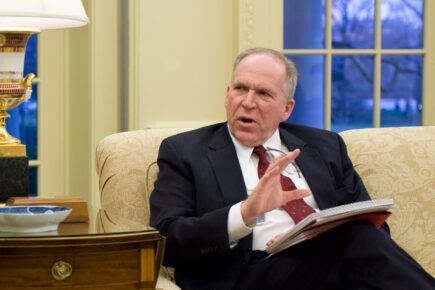
Did a fictional film depicting Palestinians encountering a checkpoint inspire John Brennan, architect of the US drone program, to pen an essay marred by grave errors of omission? Or was it, as he suggested elsewhere, something about Jewish moral failures?
A New York Times book review repeats the falsehood that Edward Said grew up in Jerusalem and fled Palestine in 1947, a myth that the paper twice previously corrected, most recently last month.
"Intelligence officials in the U.S. and Israel implicate Tel Aviv," says a Times subheading, using the common journalistic practice of referring to a nation's capital city as shorthand for the country's government.