In another example of how the newspaper covers up Palestinian responsibility for the conflict, Palestinian Islamic Jihad's terrorism is downplayed and presented as "resistance" to the "Israeli occupation."
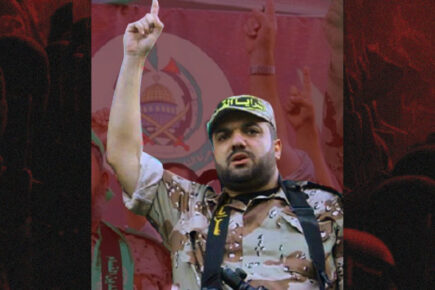
The New York Times doesn't have a policy to avoid using the word "terrorist." So why did it scrub that word from coverage of Israel's strike on senior Islamic Jihad leader Baha Abu Al Ata?
In an article on the J Street conference, The Times twice reports that presidential hopeful Amy Klobuchar declined to answer a question about U.S. aid to Israel. The "Paper of Record" concealed from readers that at one point in the interview the senator expressed strong support for continued aid: "I am so wedded right now to making sure we continue the aid."
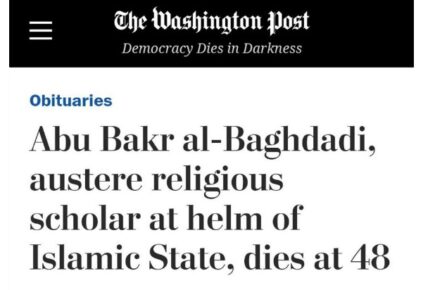
While The Washington Post headline whitewashing Abu Bakr al-Baghdadi as an "austere religious scholar" was particularly egregious given that ISIS is the world's most dangerous terror group, it is not unique. Other terrorists who received favorable media coverage include Brussels terrorist Mehdi Nammouche (pictured), convicted bomber Rasmeah Odeh, hijacker Leila Khaled and more.
Abu Bakr al-Baghdadi was many things: leader of the terror group ISIS, serial rapist, slavery proponent, and a perpetrator of genocide. He was not, as The Washington Post's obituary would have it, an "austere, religious scholar."
In a pair of articles about the Jordan Valley, the New York Times echoed B'Tselem's false claim that Palestinians are unable to enter 85 percent of the region, and wrongly described the Palestinian village of Fasayil as sitting in Area C of the West Bank.
The promotion of Julie Salamon’s new book – and subsequent media attention – about the 1985 Palestinian terrorist killing of Jewish American Leon Klinghoffer aboard a cruise ship – have served to mislead the public.
CAMERA prompts improved after AP incorrectly reported that Facebook suspended Israeli Prime Minister Benjamin Netanyahu's account for a post saying "Arabs want to annihilate us." A New York Times Op-Ed by Raja Shehadeh also errs.
When the New York Times architecture critic takes aim at plans for a cable car in Jerusalem, is the problem the structures themselves, or who is building them?
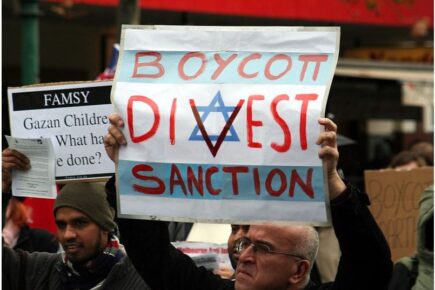
After corresponding with CAMERA staff, the New York Times corrected a story that had falsely characterized the BDS campaign as seeking only an Israeli withdrawal from the West Bank.