The music magazine failed to report on Creative Community for Peace's stance against boycotting Israel, but covered actions of actors who want to boycott the Israeli film industry as well as musicians who block streaming in Israel, creating a false impression of consensus in the entertainment industry.
On a recent podcast, Megyn Kelly said that “Israel needs to wrap up this war .... This is a crisis for Israel, [a] PR crisis,” and Bill Ackman reports that young conservatives are “getting tired of defending Israel.”
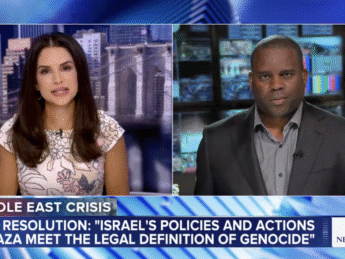
ABC failed to include in its reporting significant problems with the process used by the International Association of Genocide Scholars. Nor does the network appear to have covered the detailed BESA Center report debunking the genocide libel.
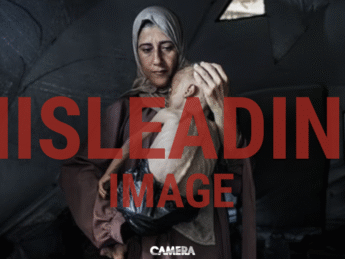
The Washington Post, CNN, and PBS have recently offered fawning interviews of a children's YouTube sensation who has bought Hamas propaganda hook, line, and sinker. And as CAMERA tells the Washington Times, they're serving the terror group's ends, while ignoring its history of weaponizing the suffering of children.
Propagandistic headlines of the past week that exaggerate suffering and put the blame only on one side have most likely served only to prolong the war, along with the misery on both sides.
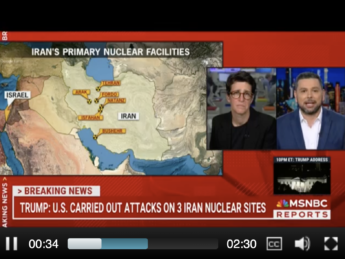
Ayman Mohyeldin’s comment that the Israeli Prime Minister may be “dog-walking” the American President fits squarely within the International Holocaust Remembrance Alliance definition of antisemitism.
Instead of equivocating on the target and source of the violence, the media should consider the role that the many false stories about Israel that have circulated since the start of the war have played in inciting such violence.
In two articles, the Journal creates an impression that Israel’s aggression in Gaza has caused hostility to Jews around the world, including Sarah Milgrim and Yaron Lischinsky.