Accuracy and accountability are among the most important tenets of journalism. In combination, they mean media organizations are expected to publish or broadcast forthright corrections after sharing inaccurate information. The following corrections are among the many prompted by CAMERA’s communication with reporters and editors.
An April 15, 2020 Washington Post op-ed by an anti-Israel activist implied that Israel doesn't allow in medical supplies to Hamas-ruled Gaza. Following contact from CAMERA, The Post changed the wording to acknowledge that Israel does allow medical supplies.
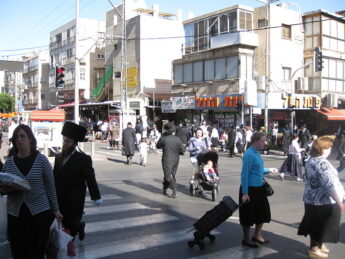
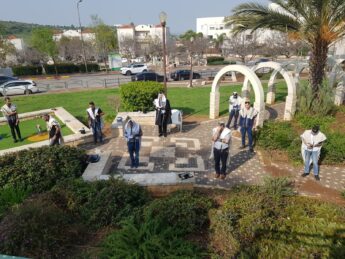
Following contact from CAMERA, The Hill quickly changed a photograph of visibly Jewish men and children that accompanied an article and tweet about the coronavirus.
Ran Saar, CEO of the Maccabi HMO, is the putative source for the widely reported figure that 75,000 residents of the ultra-Orthodox town of Bnei Brak are likely infected with coronavirus. Media outlets ignore that Maccabi officials cited a miscalculation, and said the actual figure is just 10 percent of that. The executive director said Maccabi has "no idea" how many are infected.
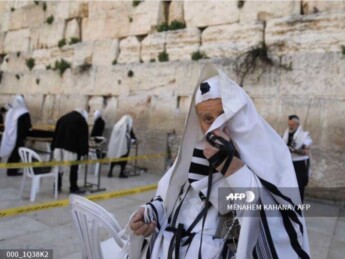
CAMERA prompts correction of multiple AFP photo captions which had erroneously referred to the Western Wall as "Judaism's holiest site." In fact, the Temple Mount is Judaism's most sacred site, which is why AFP usually does refer to the wall as "the holiest site where Jews can pray."
CAMERA prompts correction of an Agence France Presse article which erroneously reported that a Knesset committee "rejected" the government's plan to track Coronavirus patients and locate those with whom they've come into contact. The committee did not rule, as it did not have enough time to debate the measures.
AFP demonstrates poor working knowledge of Judaism coupled with shoddy editing, erroneously reporting that Israel's ban on gatherings of more than 10 people, a measure to combat the coronavirus pandemic, makes it impossible for the Jewish prayer quorum, or "miyan," as the leading news called it, to convene.