Accuracy and accountability are among the most important tenets of journalism. In combination, they mean media organizations are expected to publish or broadcast forthright corrections after sharing inaccurate information. The following corrections are among the many prompted by CAMERA’s communication with reporters and editors.
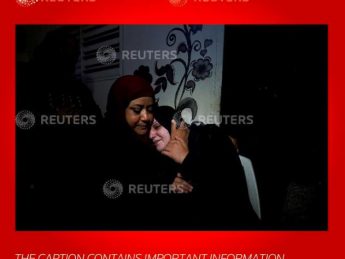
When the Israeli army disputed Hamas' account which blamed Israel for the death of 12-year-old Shady Abdel-Aal, AP rose to the journalistic challenge with accurate coverage. Reuters responsibly corrected when presented with information contradicting Hamas. AFP, in contrast, has yet to correct even as Hamas itself has backtracked.
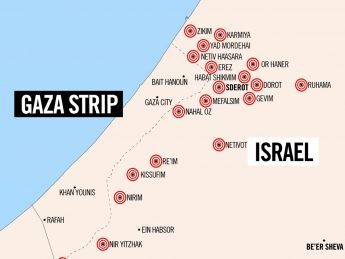
CAMERA prompts correction of an NPR article which erroneously implied that Palestinian rocket fire last week solely targeted the Israeli town of Sderot. In fact, Palestinians fired at numerous communities across southern Israel.
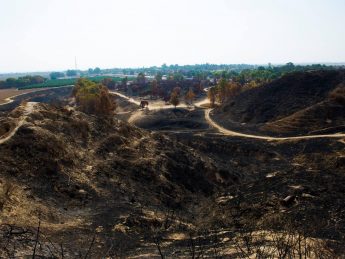
CAMERA prompts correction of a Los Angeles Times article which erroneously stated that Gazans launched "dozens" of flaming kites and balloons at Israel since March 30. In fact, Palestinian arsonists have launched dozens of incendiary attacks on a daily basis.
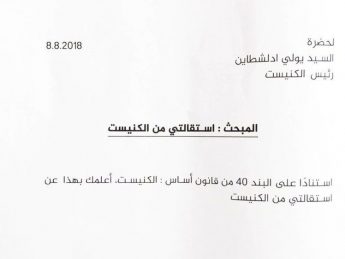
CAMERA's Israel office prompts correction of headline in Haaretz's English edition which inaccurately stated that the Knesset speaker refused to sign a letter because it was in Arabic. As the Hebrew headline correctly noted, Yuli Edelstein refused to sign a letter he could not understand, and had it translated into Hebrew so he could sign it.
Following communication from CAMERA, PBS posted an editor's note to accompanying online copies of a Newshour segment that erroneously identified Tel Aviv as Israel's capital.