Accuracy and accountability are among the most important tenets of journalism. In combination, they mean media organizations are expected to publish or broadcast forthright corrections after sharing inaccurate information. The following corrections are among the many prompted by CAMERA’s communication with reporters and editors.
A New York Times Opinion article made erroneous claims regarding the number of civilians killed in Gaza. CAMERA's communication with the outlet led to a correction.
After nearly six months, the UK press regulator, IPSO, partially upheld our complaint to the Times over a false claim regarding the Israeli casualty count during the 2025 Iran War.
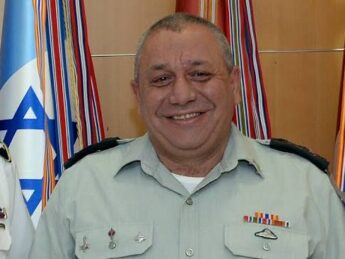
Times of London editors promptly upheld our complaint and amended an article that initially included false information about former Israeli minister Gadi Eisenkot
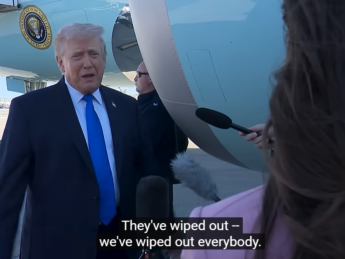
UPDATED: After communications with CAMERA, the Washington Post corrected after publishing a doctored quote attributed to President Trump. The fake quote supported their narrative of blaming Israel for complicating Trump's efforts to make peace with Iran.
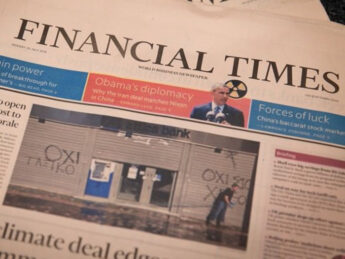
Financial Times editors upheld a complaint from CAMERA, and amended an article falsely claiming that “Almost all buildings in Gaza have been destroyed by two years of Israeli bombardment."
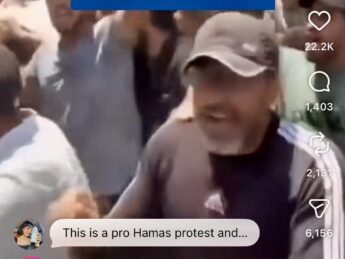
Times of Israel deletes an Instagram post which misidentified footage of a pro-Hamas gathering as a protest against the terror organization which rules the coastal enclave.
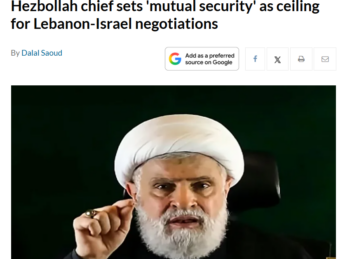
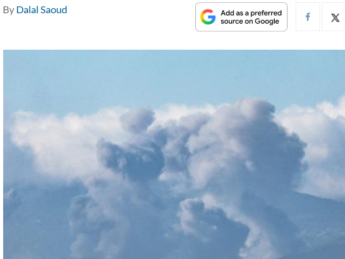
Dalal Saoud, reporting from Lebanon for United Press International, "opened a support front" — to borrow from her own ambiguous terminology for Hezbollah's unprovoked rocket attacks on Israel — on behalf of the Iranian proxy.
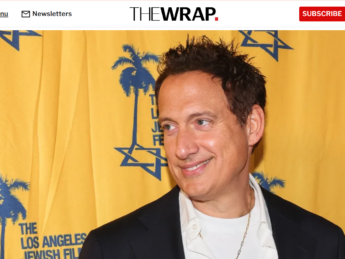
The Wrap editors agreed that a report detailing U.N. accusations charging Israel of sexual violence was remiss not to note the Jewish state's denial and commendably acted to add the Jewish state's missing information.
In response to communication from CAMERA, more than two dozen McClatchy newspapers delete a UPI story which falsely stated that Iran's June 7 attack on Israel was the Islamic Republic's first strike on Hezbollah's behalf.