Shay Khatiri has a decade of experience as a foreign and defense policy professional and writer, including at the Yorktown Institute and Jewish Institute for National Security of America. He is an immigrant from Iran and studied strategic studies and international economics at Johns Hopkins University, School of Advanced International Studies, where he was the Ambassador Andreas Baum fellow. He and his bulldog Tank reside in Arizona.
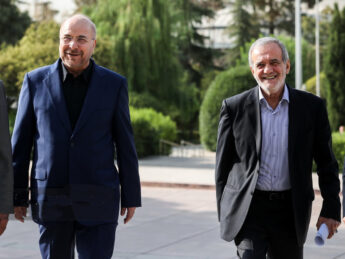
Most interestingly, 44 percent hold a positive view of President Donald Trump, but 51 percent hold a positive view of Prime Minister Benjamin Netanyahu, who has used even harsher rhetoric against the regime.
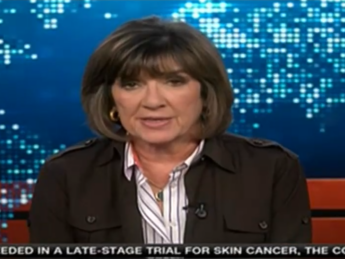
Tom Fletcher and the United Nations are entitled to their frustration with the IDF. Their missions do not exactly align. Both sides are also operating in an environment with no real historical precedents and are learning as they go. But Amanpour never engaged with the misaligned institutional imperatives.
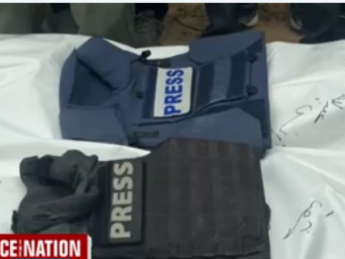
Media outlets have a moral duty to help undo the damage they have inflicted on both the Jewish state and journalism after reporting which falsely identified terrorists as journalists, CAMERA's Shay Khatiri writes in National Review.
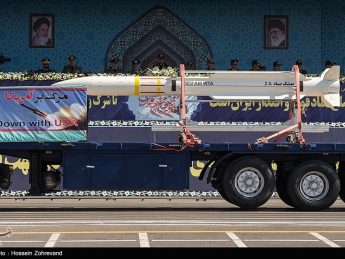
They put on kid gloves with a U.S. enemy and wear brass knuckles against America’s closest partner in the Middle East, CAMERA's Shay Khatiri writes at JNS.
With the media misrepresentations falsely painting him as a victim of political persecution, Macklemore enjoys a bump in his status. Thanks to his sudden new fame, the former mid-tier rapper is now better positioned to spread hatred against Jews.
The core question is whether an institution, including a university, that is undermining federal policy is entitled to federal money. This is a precedented issue, and the federal government under Democratic and Republican administrations has used its Title IX prerogatives to compel universities to follow federal policy, including issues concerning expression. Universities that do not accept federal money are entirely immune from federal policy.
It's unacceptable that media reporting on fatalities incurred in Israeli military operations almost never note that the combatant to civilian ratio is 1:1 in Lebanon and 1:2 in the Gaza Strip, CAMERA's Shay Khatiri writes in JNS.