Shay Khatiri has a decade of experience as a foreign and defense policy professional and writer, including at the Yorktown Institute and Jewish Institute for National Security of America. He is an immigrant from Iran and studied strategic studies and international economics at Johns Hopkins University, School of Advanced International Studies, where he was the Ambassador Andreas Baum fellow. He and his bulldog Tank reside in Arizona.
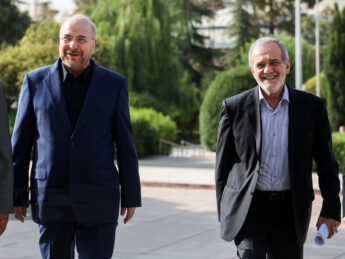
The real story of the talks is not the two sides’ demands, but whether the pro-diplomacy side in Iran can sell any deal to the IRGC, which is effectively in control, which Ravid did not investigate.
CNN should also know, and have reported on, the threat Iranians face for speaking out against the regime. It is also obvious that no journalist in Iran would be safe reporting on these matters for an American outlet, an act the regime equates with treason.
To credibly claim his remarks as the only, or even the most important, factor in Iran’s decision-making requires more evidence than the impression of yet another anonymous “person familiar with” the situation, which CNN failed to provide.
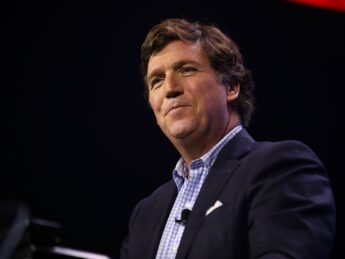
Quality journalism requires curiosity, skepticism, and an appreciation for nuance. A good journalist would have cited thoughtful critics of the war, not Carlson, a racist kook whom most Americans, including Republicans, do not view favorably.
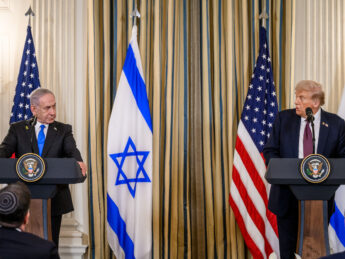
If the Knesset passes a puppy-celebration day bill, half the press will call it the anti-kitten law, making it difficult to imagine Israel quietly accomplishing either of those things. So, the piece’s argument is already questionable.
Instead of finding reasonable actors to treat the topic of the U.S.–Israeli relationship with a level of seriousness, Newsweek’s Jordan King went to social media, famously an arena of serious conversations and measured opinions.
Ali Larijani owed his prominence to the fact that he was perfectly aligned with Supreme Leader Ali Khamenei. He and his boss both acted moderately in pursuit of extreme ends.