On July 21, an AFP journalist society posted a press release about the "last journalists in Gaza" facing death by starvation. The Committee to Protect Journalists then declared that "Israel is starving Gazan journalists into silence.” But were the journalists really being starved into silence?
On July 21, Hamas was broke, couldn’t pay its fighters, and was in ceasefire talks. But on July 22, Hamas rejected the ceasefire deal on the table and submitted new demands that mediators called “unacceptable.” Then the narrative began to shift.
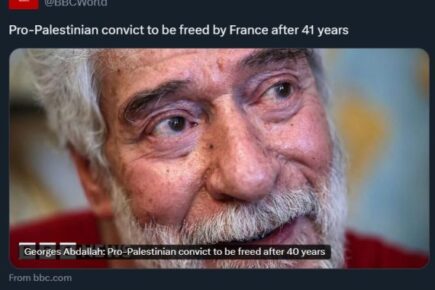
Georges Abdallah founded a Marxist terror group that murdered diplomats, bombed cafes, and worked with Hezbollah. In 1987 he was convicted for aiding the assassination of a US and Israeli diplomat in France. Yet the BBC refers to him merely as a "Pro-Palestinian convict."
Propagandistic headlines of the past week that exaggerate suffering and put the blame only on one side have most likely served only to prolong the war, along with the misery on both sides.
Channel 4 aired "Gaza: Doctors Under Attack" without disclosing that the film’s co-producer had publicly praised the October 7 massacre and glorified a deadly terror attack months earlier. A CAMERA Arabic investigation exposes the ethical lapse in transparency by both the network and the filmmakers.
The documentary film “Gaza; Doctors Under Attack” was commissioned by the BBC but was ultimately broadcast by Channel 4. Contrary to the film’s boast, it’s nothing resembling a “forensic examination” of allegations that the IDF has intentionally attacked healthcare workers.
The BBC’s Geneva correspondent published a report amplifying a UN official’s extreme accusations against Israel, without mentioning the October 7 massacre or the hostages still held by Hamas. CAMERA UK unpacks the omissions, distortions, and misleading portrayal of Francesca Albanese’s qualifications.
The BBC was quick in promoting the Iranian regime’s disinformation but when its false claims and maps were debunked, the corporation suddenly lost interest, failing to provide its audiences with a prominent and transparent explanation of why those claims were false and failing to amend reports that amplified them.
The BBC’s reporting on the Geneva talks included a glaring factual error and omitted key details about Iranian attacks on Israeli civilians. Hadar Sela reveals how these mistakes and selective reporting distort the story and echo uncritical Iranian regime narratives.