Hamas has retaken hospitals and schools and is using them to torture Gazans. Diplomatic relations between Israel and Brazil are strained. Israeli film director, critical of the Israeli government, is boycotted from a French film festival.
NPR added to its repertoire of soft or sympathetic interviews of perpetrators, leaders and supporters of Palestinian terror in its recent interview with Mahmoud Khalil. Structured to garner sympathy, NPR never asked him about the speech he claims he has been targeted for or why he has repeatedly refused to condemn Hamas.
Students for Justice in Palestine supports the killing of American Jews. Passengers from Tel Aviv en route to Slovenia were forced to divert to Croatia. New Israeli defense technology emerges to defend against drones.
An ABC News brief on the news organization's website reported the death of one United Nations peacekeeper in Lebanon from a mortar attack. The report used passive language and refrained from ascribing blame to Hezbollah.
NPR carefully avoids placing an iota of responsibility for the damage to southern Lebanon on Hezbollah. In a recent story designed to make it appear as if Israel was destroying homes for no reason, one man NPR interviewed told listeners that nice houses don't house weapons.
NBC, ABC and NPR reported last week on Israel's intensified strikes in Lebanon and how they might interfere with a potential ceasefire deal between the United States and Iran. The reports gave only half the story, omitting mention of Hezbollah's conduct.
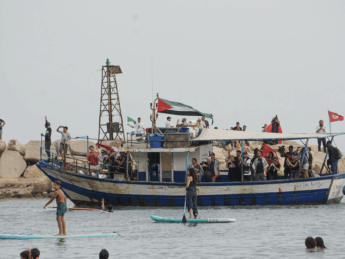
Global Sumud Flotilla's website deleted references to Hamas ties. A recent COGAT survey found that a large number of Gazans are interested in information about emigrating from Gaza. An Israeli task force has a plan for every single October 7 terrorist.
NPR has a long-standing formula. Both in 2009 and 2026, it ran stories about the same man in the same area in Jerusalem. Then and now, NPR used anti-Israel human rights organizations and Israeli activists to make false claims about the demolition of illegally built homes and to call the building permit process discriminatory.
In presenting "the Nakba," NPR's listeners heard activism, not journalism. Its audience was not told that Palestinian Arabs rejected the proposed UN Partition Plan or that neighboring Arab countries declared war on the new State of Israel. NPR's one-sided narrative also ignored the 150,000 Arabs who remained in Israel during the war, who make up roughly 20 percent of the Israeli population today.
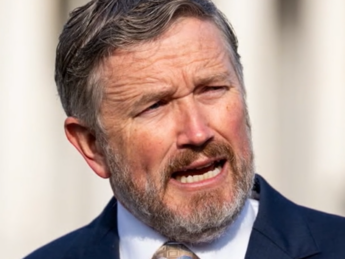
In the run-up to his primary election, ABC hosted Rep. Thomas Massie. During the interview, George Stephanopoulos normalized Massie's antisemitic rhetoric and conspiracy theories by failing to challenge his bombastic statements.