Accuracy and accountability are among the most important tenets of journalism. In combination, they mean media organizations are expected to publish or broadcast forthright corrections after sharing inaccurate information. The following corrections are among the many prompted by CAMERA’s communication with reporters and editors.
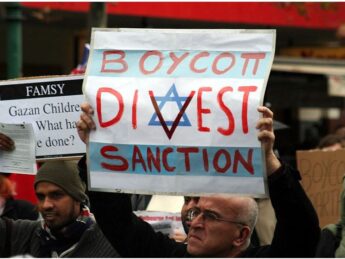
After corresponding with CAMERA staff, the New York Times corrected a story that had falsely characterized the BDS campaign as seeking only an Israeli withdrawal from the West Bank.
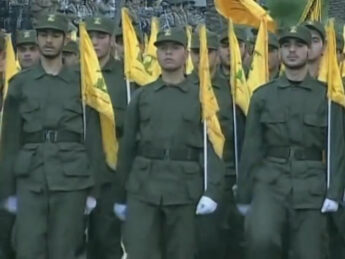
CAMERA prompts correction of a Los Angeles Times article which greatly overstated the number of Lebanese civilians killed in the 2006 war, erroneously citing "nearly 1,200 Lebanese civilians." In fact, this figure includes hundreds of Hezbollah fighters.
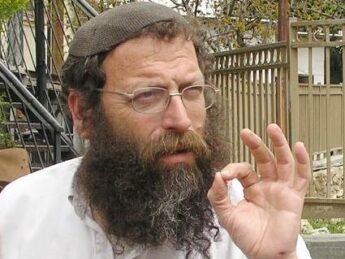
CAMERA prompts correction after AFP erroneously reported that Israel's extremist far-right Jewish Power party is in an electoral alliance with other right-wing parties. While such a pact existed in the April 2019 election, Jewish Power is running alone in the September race.
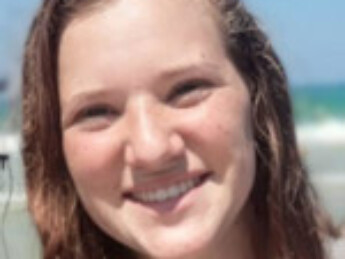
CAMERA prompts correction of an Associated Press report which erroneously stated that Israeli terror victim, Rena Shnerb, killed in a Palestinian bomb attack Friday, was from the West Bank settlement of Dolev. In fact, she was a resident of the central Israeli city of Lod.
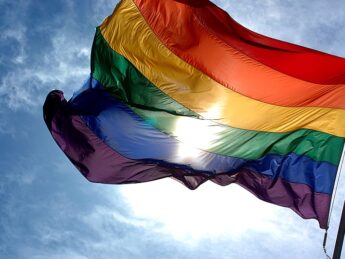
CAMERA prompts correction of a Reuters article which erroneously claimed that gay marriages are "illegal" in Israel. While gay marriages, like all Jewish marriages in Israel carried outside the Orthodox Rabbinate are not recognized, they are not in violation of any law.
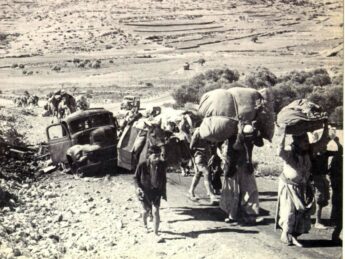
A New York Times story on UNRWA claims that the UN agency serves "hundreds of thousands" of Palestinians who fled or were expelled in 1948. In fact, no more than some 30,000 from the original refugees are still living.