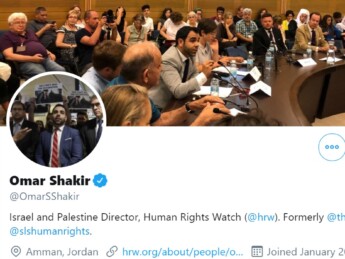
After a Palestinian car-ramming attack against Israelis, a senior Human Rights Watch official pretends it never happened, suggesting Israel shot at the a Palestinian for going about his daily business.
CAMERA prompts correction after CNN erroneously reported that "dozens" of bipartisan U.S. lawmakers signed letters to Secretary of State Mike Pompeo expressing their opposition to a potential International Criminal Court investigation of Israel. In fact, more than 300 members of the House and Senate signed.
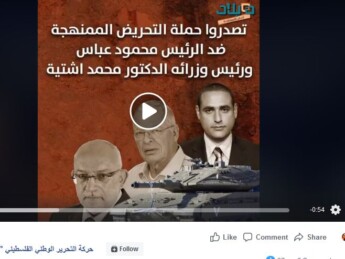
Fatah, the ruling Palestinian party, published a threatening video inciting against Israeli journalists, and the International Federation of Journalists, the largest organization representing journalists internationally, has yet to voice any concern.
In addition to omitting the role the Assad regime has played in aggravating the pandemic in Syria, Rev. Dr. Peter Makari ignored altogether the role that the Iranian government has played in ensuring the mass infection of the COVID-19 virus in its own citizens and its spread to other countries in the region.
The Covid-19 pandemic has exposed to the world the WHO's politicization of its mission, but this is not the first time WHO has been criticized for using its platform for partisan propaganda. CAMERA explains how the WHO's approach to Palestinian healthcare has long been politicized.
BDS is part of a psychological campaign to drive young Jews from the public square, distance themselves from the modern state of Israel and from their fellow Jews, Van Zile said.
The New York Times was slow to report on Hamas's arrest of a Palestinian bridge-building activist. Don't expect the newspaper to note that a former Amnesty International employee urged the terror group to arrest him.
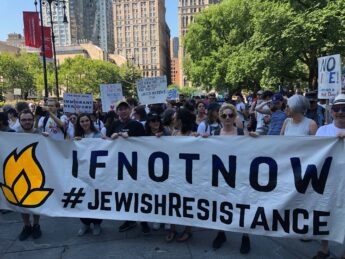
A recent Washington Post piece on the anti-Israel organization IfNotNow omits the group's troubling history, association and funding. As CAMERA highlights, IfNotNow isn't what it claims to be.