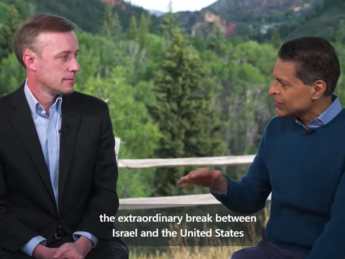
CNN’s Fareed Zakaria and former NSA Jake Sullivan's recent exchange displayed a stark disregard for the hardships of daily life in wartime Israel. After all, advocating for a flawed peace is easy when you never have to endure the catastrophic consequences of its collapse.
The New York Post wrongly alleges that "Lebanon" says it will not honor the ceasefire agreement signed June 26 by both Israel and Lebanon. In fact, the rejectionist comments came from Parliament Speaker and Hezbollah ally Nabih Berri, who is not tantamount to "Lebanon."
In an interview with a former Lebanese diplomat and presidential candidate Tracy Chamoun, NPR allowed omissions and lies to guide the conversation. The lack of pushback enabled the promotion of Hezbollah propaganda and revisionist history.
Why does the BBC continue to prioritise the amplification of Hezbollah talking points over meeting it’s obligation to accuracy and impartiality? It is a question the institution must grapple with as its journalists’ failures continue to undermine BBC standards.
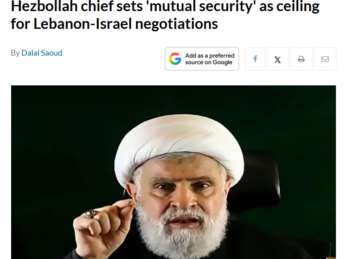
Dalal Saoud, reporting from Lebanon for United Press International, "opened a support front" — to borrow from her own ambiguous terminology for Hezbollah's unprovoked rocket attacks on Israel — on behalf of the Iranian proxy.
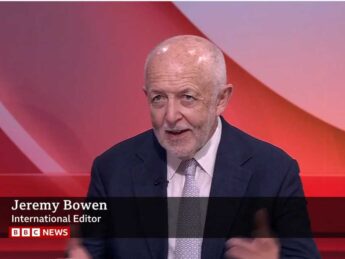
Jeremy Bowen's analysis of the Memorandum of Understanding between the US and Iran creates a caricature of the war in Lebanon, and almost entirely erases Hezbollah
A CNN analysis featured a misleading graph tracking strikes between Hezbollah and the IDF from October 2023 to June 2026. The cherry-picked data distorted the reality of the war, while also highlighting a broader issue: the consequences of newsrooms uncritically relying on politicized NGO datasets.
Yeung set out to understand how Hezbollah is still standing and what they are fighting for. Instead, she displayed a profound misunderstanding of the terror group's ideology, accepted their historical propaganda without pushback, and allowed Hezbollah to launder its reputation on an international stage.
ABC News invited two Iranian regime apologists to discuss Iran and Lebanon. The host failed to challenge even one word of their analyses, leaving viewers with a distorted view of how the Middle East functions.
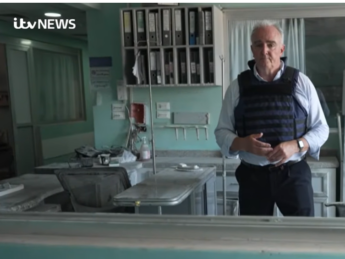
By ignoring Hezbollah’s likely role in the incident they reported, while failing to provide viewers with the Israel’s response to the incendiary accusation that that the army intentionally struck a hospital, ITV News violated the Accuracy clause of the UK's broadcast media regulator.