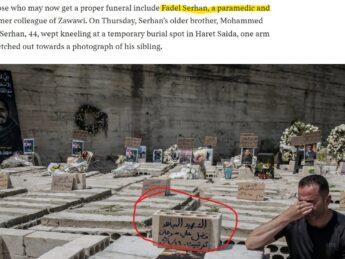
Writing in The Times, Beirut-based Sally Hayden seemed to go out of her way to avoid the topic of Hezbollah fighters killed in the war. One man mentioned by name, described by Hayden only as a "paramedic," is actually identified as a "martyred jihad fighter" in the tombstone on the accompanying photo.
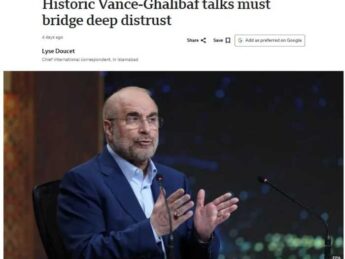
If BBC Swahili, BBC Turkish, BBC Indonesia, and BBC Hausa could provide an informative profile of Iranian negotiator Mohammad Ghalibaf – in some cases two weeks before the talks in Islamabad – then the corporation’s English-language services should surely have been able to follow suit.
Two different interviews, one with a Pakistani diplomat and one with an Israeli diplomat, showcase how the BBC uses language and framing to construct a narrative. This allows the corporation to purport to show both sides of a conflict, while presenting those sides in a way to whitewash one and vilify the other.
Despite clear statements from both the US and Israel that the ceasefire agreement did not include Lebanon, the BBC Today program's framing and language created an image of an out-of-control Israel risking the fragile peace, while never clearly informing listeners that Hezbollah is a proxy Iranian military occupying Lebanon which has, once again, started a war with Israel on behalf of the Islamic regime.
BBC audience understanding of the upcoming talks between Israel and Lebanon – and any future developments – would of course be greatly enhanced were the corporation to focus less on framing of the story and actually provide information concerning the stance of the terrorist organization that brought about the need for them in the first place and is apparently intent on ensuring that they do not succeed.
If the Knesset passes a puppy-celebration day bill, half the press will call it the anti-kitten law, making it difficult to imagine Israel quietly accomplishing either of those things. So, the piece’s argument is already questionable.
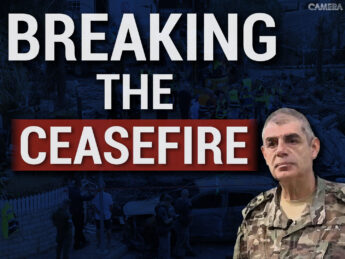
ABC promoted a skewed view of Israel's military actions in Lebanon since the signing of a ceasefire deal in November 2024. The failure to give the full picture misled viewers to believe Israel alone had not performed its obligations under the agreement.
With an absurd claim about purported aspirations for peace between Hamas and Israel and a ludicrous assertion that far-right Israeli Minister Smotrich supposedly kicked off a campaign promoting Jewish "colonialism," AP and AFP hilariously get into the spirit of Purim.
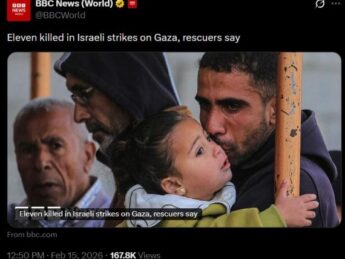
The BBC's pattern of reporting cannot by now be dismissed as isolated cases of errors and omissions. BBC audiences are being serially denied information which would contribute to their understanding of the way in which continued terrorist activity is currently influencing events in the post-ceasefire Gaza Strip.
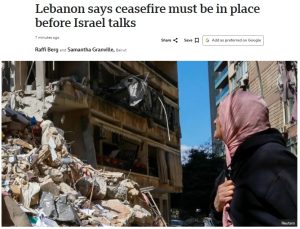
“Hezbollah must disarm” isn’t an Israeli talking point. It’s written into the ceasefire agreement. So why does so much media coverage fixate on Israeli “aggression,” while Hezbollah’s violations, rearmament, and stated goals barely register? From the New York Times to PBS, responsibility keeps getting shifted away from a terror group openly committed to Israel’s destruction.