Calling Israel’s rejection of Trump’s Gaza proposal an 'anti-peace' move frames security concerns as unimportant and oversimplifies 'peace' as a concept that means the same thing to everyone.
NBC's Chantal Da Silva and Matthew Mulligan paint a slanted, one-sided view of the ongoing ceasefire in Gaza, omitting key details surrounding sourcing and obligations under the truce that leave readers with more questions than answers.
NBC's Chantal Da Silva omits critical context and facts regarding the ceasefire in Gaza, painting Israel as the sole cause of the ceasefire’s complications in Gaza, and blurring Hamas’s responsibility for the continued conflict in the coastal enclave.
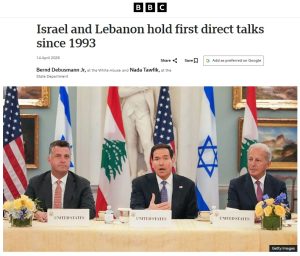
The New York Post wrongly alleges that "Lebanon" says it will not honor the ceasefire agreement signed June 26 by both Israel and Lebanon. In fact, the rejectionist comments came from Parliament Speaker and Hezbollah ally Nabih Berri, who is not tantamount to "Lebanon."
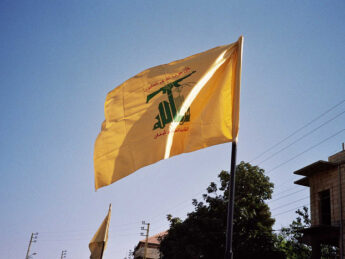
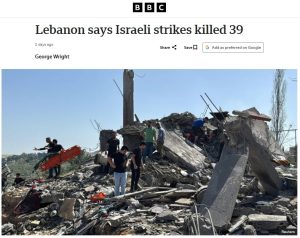
Mirroring its slanted Gaza Strip coverage, BBC strips Hezbollah tunnels from its Lebanon reporting, thereby falsely presenting Israeli steps against the terror infrastructure as "war crimes" targeting civilian towns.
Did Hezbollah accept the Israel-Lebanon ceasefire or reject it? Is the terror group willing to abide by its terms or is it refusing to disarm? BBC can't seem to decide.
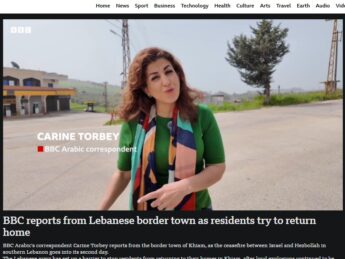
Remarkably, Torbey – who only utters the word Hezbollah once in her entire report – has nothing to tell BBC audiences about the terrorist organization’s rejection of Lebanon’s direct negotiations with Israel or the threats toward the Lebanese president and government from Hezbollah officials that have been voiced both before and since the ceasefire came into effect.