NPR and Rolling Stone interviewed Ms. Rachel, the popular children's YouTube entertainer, in advance of her first album's debut. Her sideshow activism for Gaza dominated the interviews, but Ms. Rachel was asked no hard questions. Sadly, she taught neither outlet that "J" is for "journalism."
In an article analyzing the origin and spread of viral misinformation, The New York Times was unable to see how it has participated in the dangerous phenomenon.
The New York Times (re)introduced its audience to, and promoted the work of, Gazan blood-libel-photojournalist Saher Alghorra. Alghorra was unable to photograph a single Hamas fighter, but last year, photographed an emaciated baby who The Times later had to acknowledge was not healthy before the war, as the caption initially stated.
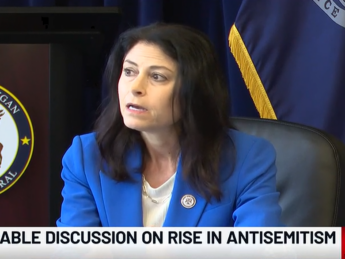
Have you read about: Michigan's history of political antisemitic harassment and intimidation; more proof that the Gaza famine never was; and Ireland's flying blind hatred of Jews?
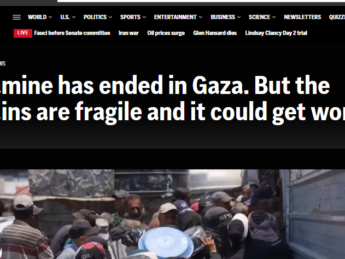
AP insists there was "famine" in the Gaza Strip, ignoring the overwhelming raw data — including figures from the Global Nutrition Cluster's State of Palestine report and Hamas' own mortality figures — to the contrary.
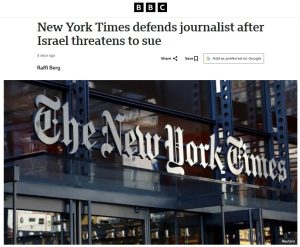
The BBC lines up behind The New York Times' defense of Nicholas Kristof's baseless opinion column alleging that Israel employs "systematic" sexual violence against Palestinians.
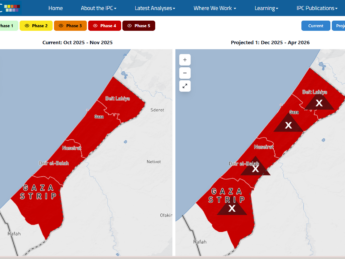
CAMERA prompts a correction of an AP article which cherry-picked a gloomy, disputed and dated figure about the Gaza Strip's food security situation. The news agency's clarification that the IPC figure is older than originally reported reached over 100 news sites across the U.S. and beyond.
The Financial Times, according to its own Editorial Code, must distinguish between comment, conjecture, and fact. Yet two recent news articles grossly failed to do that, characterizing the Gaza Humanitarian Foundation as having "failed" as a matter of fact.
NBC News reported that the entire Gaza Strip was still at risk of starvation despite the IPC's own reports and the recent United Nations' acknowledgment that 100% of food needs in Gaza have been met.
In an emotionally manipulative NBC News report, the media outlet claimed that Gaza infants were dying due to a baby formula shortage last summer, placing the blame on Israel. The reality, and recently publicized footage online, show the true culprit.