Dana Bash's interview with Brad Lander exposed a wave of media failures, from misrepresenting Raphael Lemkin’s genocide legacy to shockingly redefining Holocaust-era "kapos." This analysis debunks those claims alongside factual errors about Israeli democracy, voting rights, and West Bank security realities.
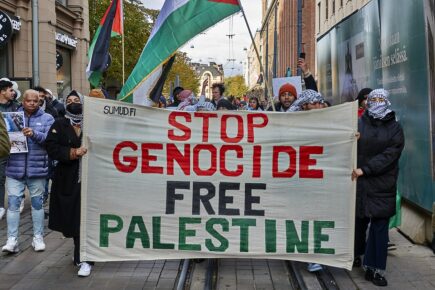
Post-Oct. 7, one would have at least hoped that there would be some soul-searching among supporters of the Palestinian cause and a reaction along the lines of “this is not how we imagined Palestinian resistance” or a “not in my name” campaign. However, neither distancing nor clarity was to be, CAMERA's Adam Levick writes in JNS.
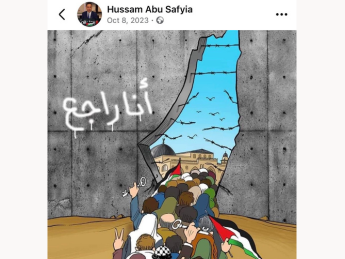
Who is Hussam Abu Safiya, the detained Gaza doctor, behind all of the headlines? What is the media not revealing to its audiences? In fact, under his watch, the Kamal Adwan Hospital was a hub for terrorist activity.
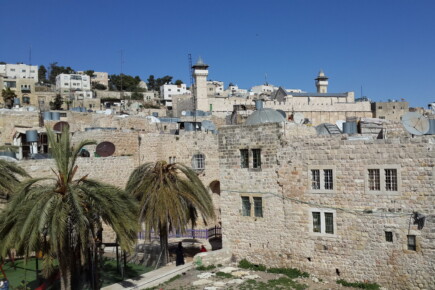
A Guardian article on Hebron adheres to an unwritten rule followed by Guardian reporters that once a city in the Land of Israel has been cleansed of its Jewish residents, Jews should never reside there again.
In an article about Wikipedia, The New York Times engaged in dangerous partisan gaslighting by framing as a right-wing culture war a heavily documented, coordinated campaign of digital revisionism against Jews, their land and history.
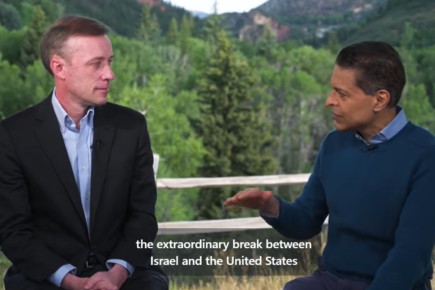
CNN’s Fareed Zakaria and former NSA Jake Sullivan's recent exchange displayed a stark disregard for the hardships of daily life in wartime Israel. After all, advocating for a flawed peace is easy when you never have to endure the catastrophic consequences of its collapse.
Here’s our weekly edition of recommended articles, reports and studies – providing vital context and information about Israel and the region that the mainstream media ignores.
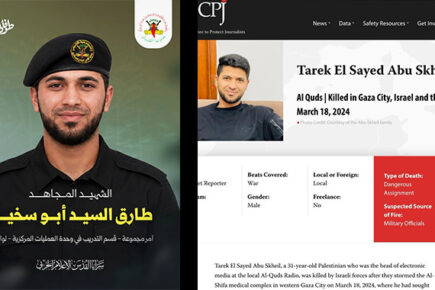
From the Committee to Protect Journalists to the news outlets sympathetically covering them (with senior journalists on their board), Hamas terrorists have been misrepresented as journalists.
The BBC chose not to tell its audiences about the CPJ review into the deaths of journalists in Gaza. Why is an institution committed to impartiality obscuring the truth?
ABC should have been prepared for anti-Zionist Mayor Zohran Mamdani's rehearsed answers about Israel. Instead, the network let Mamdani's false definition of Jewishness and misstatements about Israel go unchallenged.