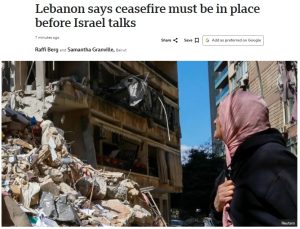
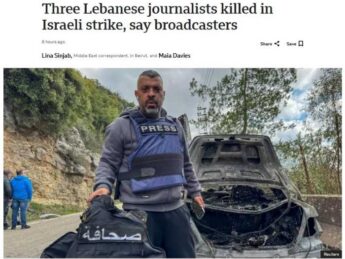
Despite clear statements from both the US and Israel that the ceasefire agreement did not include Lebanon, the BBC Today program's framing and language created an image of an out-of-control Israel risking the fragile peace, while never clearly informing listeners that Hezbollah is a proxy Iranian military occupying Lebanon which has, once again, started a war with Israel on behalf of the Islamic regime.
BBC audience understanding of the upcoming talks between Israel and Lebanon – and any future developments – would of course be greatly enhanced were the corporation to focus less on framing of the story and actually provide information concerning the stance of the terrorist organization that brought about the need for them in the first place and is apparently intent on ensuring that they do not succeed.
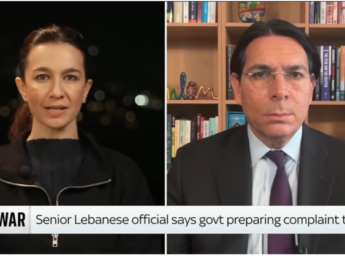
Sky News journalist Yalda Hakim acknowledged that she got it wrong when claiming that the IDF had killed "300 civilians" - but seems to think there's no need to formally correct the error.
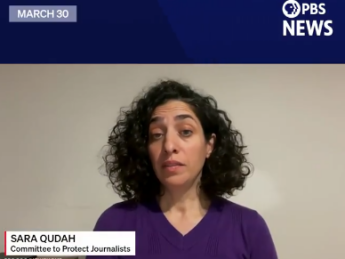
Sara Qudah, from the Committee to Protect Journalists, appeared on PBS to discuss the killing of journalist Ali Hassan Shaib by the IDF. Qudah claimed Israel had a practice of targeting journalists, and PBS' Nick Shifrin did nothing to challenge her, despite recent admissions by Palestinian Islamic Jihad that some "journalists" killed in Gaza were actually its operatives.
In the 15 years we’ve been monitoring British media coverage of Israel, a March 29 segment by Sky News’ Alex Crawford denying the Hezbollah affiliation of a “journalist” killed in Lebanon represents one of the most egregious examples we’ve seen of a mainstream outlet actively promoting the PR messaging of a proscribed terror group.
The BBC displays a troubling pattern of seeking to establish a narrative that supports its long-standing chosen framing of Israel’s responses to attacks by terrorists, while sidelining the issue of the abuse of the journalistic profession by groups such as Hamas and Hezbollah and legitimizing the media arms of terrorist organizations.
One certainly wonders whether anyone within the FT editorial chain of command so much as raised an eyebrow at Ghattas’ legitimization of the absurd propaganda of the proscribed Islamist terror group.
When media and advocacy organizations serially fail to challenge those who exploit the profession for the purposes of terrorism, they undermine its very foundations and compromise public trust in journalism in general. Adopting that stance is especially damaging to BBC credibility, but the corporation continues to embrace that editorial policy.
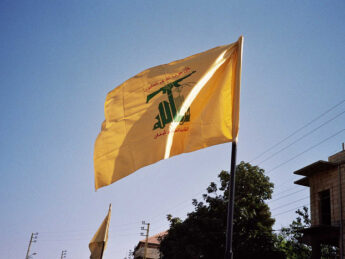
There are two stories here: the one the BBC presents, which is of a grassroots community group reacting to Israeli aggression; and the truth, which is of a well-funded and organized foreign army occupying and controlling Lebanon, refusing to disarm, continuously starting wars with Israel, and engaging in brutal acts of criminal violence against civilians in the region and beyond through its criminal networks.