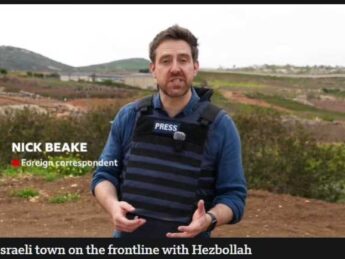
Despite the BBC having a permanent bureau in Jerusalem, its audiences have seen remarkably little reporting from the sites of Hezbollah attacks and the Israelis affected by them have been largely ignored. As these reports from Metula show, even when the BBC did send staff to one of the places worst affected by both this round of hostilities and the previous one, those journalists still managed to adhere to the "invisible Israelis" style of reporting that avoids telling audiences the whole story.
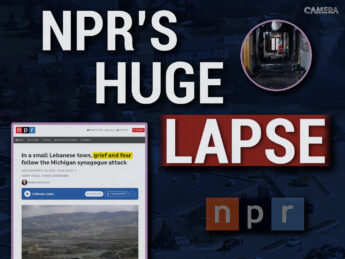
NPR’s multiple reports on the attempted terror attack against a Michigan synagogue ignored any voices from the Temple Israel community, though as CAMERA swiftly documented, within two days of the attack, the network was on the ground in the attacker's Lebanese hometown to report on the "grief and fear" there. After hearing from listeners, including many CAMERA readers, NPR's public editor admitted the extraordinary lapse. Will NPR take the lesson to heart?
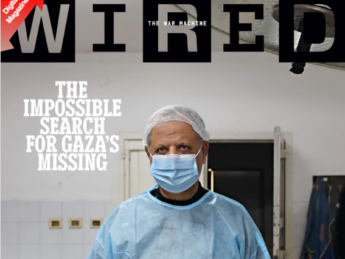
WIRED's game-changing cover story states as fact Hamas propaganda that Israel used a weapon which vaporized bodies into thin air, creating the moment in which Condé Nast's trusted technology magazine loses all credibility.
A Los Angeles Times column by academics Dr. David N. Myers and Joshua Goetz highlights a growing editorial trend in which left-leaning media outlets downplay the impact of antisemitism on the left and blame its rise on Israel's actions. This narrative ignores the deep historical roots of anti-Zionist ideology and leaves American Jews vulnerable to the immediate hostility they encounter within their own political and social environments.
Hagai El-Ad ignores critical parts of a 1949 speech by David Ben-Gurion, falsely alleging that Israel's first prime minister called for massacring the Arab population to ensure a Jewish majority.
With pretentious and obscure rhetoric, Spain's ABC dresses up anti-Western sentiment and Jew-hatred as "culture." Martín-Miguel Rubio Esteban draws from an ancient religious hatred to whip up a more modern nationalistic bigotry.
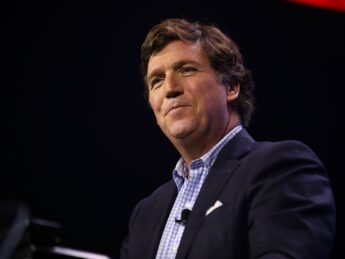
Quality journalism requires curiosity, skepticism, and an appreciation for nuance. A good journalist would have cited thoughtful critics of the war, not Carlson, a racist kook whom most Americans, including Republicans, do not view favorably.
Hungary appears to be friendly still. Ireland finds new ways to outrage. And a terror-linked NGO refuses to comply with Israel's registration requirement.
The hosts of NPR podcast Code Switch searched for sociological explanations in their quest to understand why so much attention was paid in Gaza but so little to Sudan. Those who have recognized the media's hyper-fixation on the conflict in Gaza could have answered the question in four words: No Jews, no news.
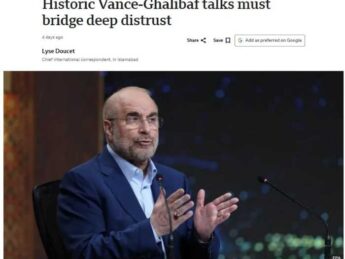
If BBC Swahili, BBC Turkish, BBC Indonesia, and BBC Hausa could provide an informative profile of Iranian negotiator Mohammad Ghalibaf – in some cases two weeks before the talks in Islamabad – then the corporation’s English-language services should surely have been able to follow suit.