In the weeks surrounding Yom HaShoah (Holocaust Remembrance Day), a slew of publications used graphics as a tool to demonize Israel, relying on the cynical weaponization of Jewish trauma and visual stereotyping.
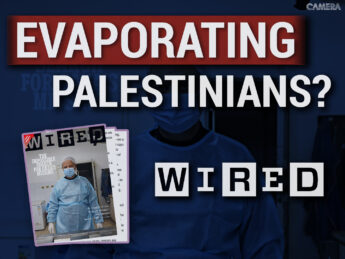
Hamas has alleged (without evidence) that Gazans have been effectively "evaporated" by science-fiction-like extreme-heat munitions, leaving no recoverable bodies, a charge which the Israeli military has emphatically denied. WIRED, which prides itself on rigorous investigation and technological expertise, took the outlandish claim and put it in a cover story.
The Guardian just published a glowing feature on Omer Bartov and his new book accusing Israel of genocide. Bartov wasn't even challenged when he told the outlet that the "charge of antisemitism has grown hollow" due to its “weaponization” as “a tool to shut people up.”
BBC runs into more trouble when attempting to correct after misreporting that an Israeli killed in an Iranian missile attack was "a worker from China."
An Op-Ed by CAMERA Hebrew editor Shlomi Ben Meir in Israel's Makor Rishon newspaper informs Hebrew-speakers about the Jew-hatred and pro-Hamas advocacy reporting marring Spain's El País'. Also, a French journal features CAMERA Arabic research revealing the pro-terror social media posts of Wisam Abu Zeid, a correspondent at France’s publicly funded Arabic-language radio station.
In writing about the temporary, extended ceasefire between Israel and Lebanon/Hezbollah, NPR needed only one sentence to subtly manipulate readers into believing Hezbollah's war is only on the Israeli military whereas Israel's war is on Lebanon generally. In doing so, it crafted a narrative and inverted reality.
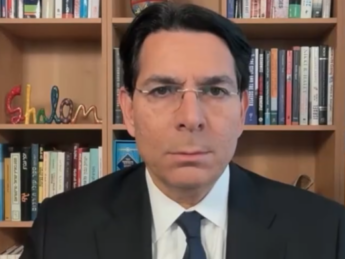
In an interview with a Hezbollah leader, a group that is recognized as a terrorist organization by the United States, PBS posed open-ended questions and engaged in polite, civil discourse. This contrasted sharply with a PBS interview of Israeli Ambassador to the U.N. Danny Danon, which was marked with hostility and accusations masked as questions.
Initially, AP failed to cover the death of Nesya Karadi, 11, who succumbed to fatal wounds incurred Passover eve in an Iranian cluster bomb missile attack on her Bnei Brak home. She was Israel's latest fatality, all of them civilians, from Iranian missiles during the spring 2026 war. AP heeded CAMERA's call to cover the girl's story, which then appeared in more than 150 secondary media outlets.
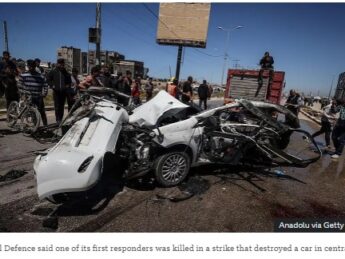
The BBC parroted without qualification a claim from Hamas' civil defense organization that an Israeli military strike in the Gaza Strip killed an emergency medical worker. The network later ignored information that in fact "first responder" Hazem Rami Ali Aidi commanded a cell which carried out Oct. 7 atrocities.
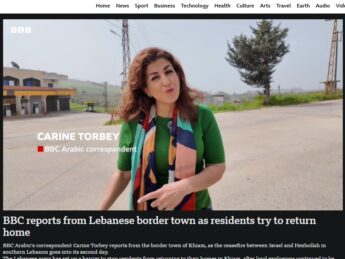
Remarkably, Torbey – who only utters the word Hezbollah once in her entire report – has nothing to tell BBC audiences about the terrorist organization’s rejection of Lebanon’s direct negotiations with Israel or the threats toward the Lebanese president and government from Hezbollah officials that have been voiced both before and since the ceasefire came into effect.