The hosts of NPR podcast Code Switch searched for sociological explanations in their quest to understand why so much attention was paid in Gaza but so little to Sudan. Those who have recognized the media's hyper-fixation on the conflict in Gaza could have answered the question in four words: No Jews, no news.
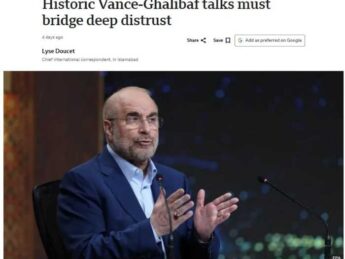
If BBC Swahili, BBC Turkish, BBC Indonesia, and BBC Hausa could provide an informative profile of Iranian negotiator Mohammad Ghalibaf – in some cases two weeks before the talks in Islamabad – then the corporation’s English-language services should surely have been able to follow suit.
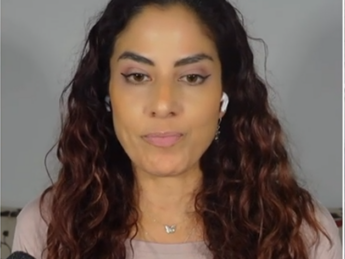
ABC News profiled atrocity denier and terrorist supporter Rania Khalek, where she was allowed to spread misinformation about IDF operations in Lebanon, unchallenged. Close in time, two other videos featured ABC correspondents who suggested the IDF was not only targeting Hezbollah in Lebanon.
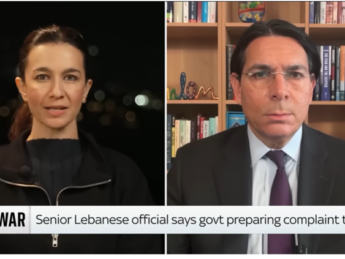
Two different interviews, one with a Pakistani diplomat and one with an Israeli diplomat, showcase how the BBC uses language and framing to construct a narrative. This allows the corporation to purport to show both sides of a conflict, while presenting those sides in a way to whitewash one and vilify the other.
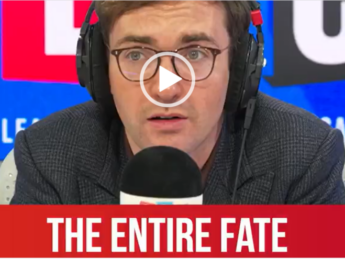
It’s impossible not to see within Goodall’s caricature of an all-powerful Israel nefariously determining the fate of the world an evocation of toxic conspiratorial tropes about Jewish or Israeli power – a cabal of bad actors representing an organic obstacle to peace and progress.
The BBC continues to ignore the abuse of journalism by terrorist organizations like Hamas and Hezbollah, not least by failing to adequately report on the collaboration between such organizations and media outlets such as Al Jazeera.
Despite clear statements from both the US and Israel that the ceasefire agreement did not include Lebanon, the BBC Today program's framing and language created an image of an out-of-control Israel risking the fragile peace, while never clearly informing listeners that Hezbollah is a proxy Iranian military occupying Lebanon which has, once again, started a war with Israel on behalf of the Islamic regime.
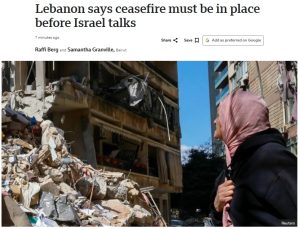
BBC audience understanding of the upcoming talks between Israel and Lebanon – and any future developments – would of course be greatly enhanced were the corporation to focus less on framing of the story and actually provide information concerning the stance of the terrorist organization that brought about the need for them in the first place and is apparently intent on ensuring that they do not succeed.
Sky News journalist Yalda Hakim acknowledged that she got it wrong when claiming that the IDF had killed "300 civilians" - but seems to think there's no need to formally correct the error.