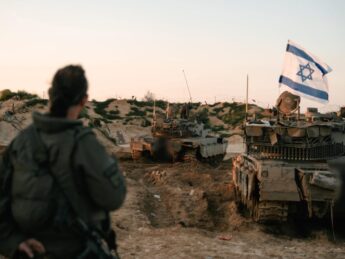
NBC's Chantal Da Silva and Matthew Mulligan paint a slanted, one-sided view of the ongoing ceasefire in Gaza, omitting key details surrounding sourcing and obligations under the truce that leave readers with more questions than answers.
Lee Mordechai attempts to position himself as the moral compass for a supposedly amnesiac Israeli public, CAMERA's Shlomi Ben-Meir writes in JNS. However, what Mordechai frames as a “reminder” is, in reality, a masterclass in omission and narrative manipulation.
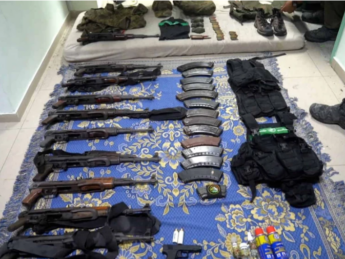
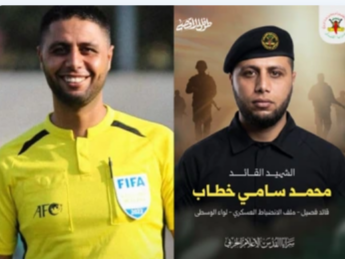
When covering the killing of FIFA-linked officials and other soccer figures linked to designated terror groups, there's no journalistic "overtime" limit in getting the facts right. Why hasn't Reuters updated readers with new information on soccer players and officials who moonlighted as terror operatives?
A New York Times Opinion article made erroneous claims regarding the number of civilians killed in Gaza. CAMERA's communication with the outlet led to a correction.
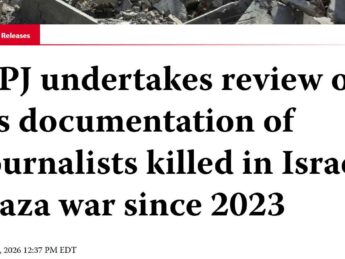
In reporting on a pianist's failed lawsuit after his performance was canceled following an on-stage proclamation that Israel was targeting journalists in Gaza, The New York Times cited to the Committee for the Protection of Journalists. The paper failed to acknowledge the organization was conducting a review after Hamas and Palestinian Islamic Jihad claimed many "journalists" as their fighters.
Several statutes require the executive branch to report the provision of aid to Congress and explain how Israel uses it according to those constraints.
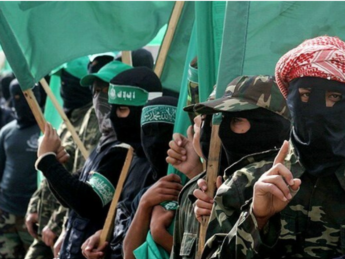
Despite the media’s best efforts to deflect, Mr. Graham’s message about the fundamental need to disarm Hamas is impossible to bury, CAMERA's Tamar Sternthal writes in The Washington Times.
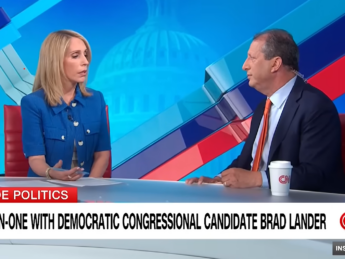
Dana Bash's interview with Brad Lander exposed a wave of media failures, from misrepresenting Raphael Lemkin’s genocide legacy to shockingly redefining Holocaust-era "kapos." This analysis debunks those claims alongside factual errors about Israeli democracy, voting rights, and West Bank security realities.
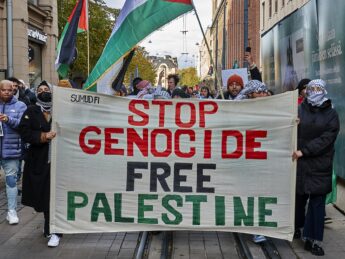
Post-Oct. 7, one would have at least hoped that there would be some soul-searching among supporters of the Palestinian cause and a reaction along the lines of “this is not how we imagined Palestinian resistance” or a “not in my name” campaign. However, neither distancing nor clarity was to be, CAMERA's Adam Levick writes in JNS.