Foreign Policy’s misstep here isn’t sharing Vaez’s perspective. Rather, it is doing so while concealing information that would help its audience judge Vaez’s credibility and independence, or lack thereof.
CNN’s Fareed Zakaria and former NSA Jake Sullivan's recent exchange displayed a stark disregard for the hardships of daily life in wartime Israel. After all, advocating for a flawed peace is easy when you never have to endure the catastrophic consequences of its collapse.
On ABC's The View, Charlamagne tha God reverted back to old antisemitic tropes he had espoused before. The audience applauded and the hosts said nothing.
In an interview with a former Lebanese diplomat and presidential candidate Tracy Chamoun, NPR allowed omissions and lies to guide the conversation. The lack of pushback enabled the promotion of Hezbollah propaganda and revisionist history.
In March, the New York Times asserted that Israel played an outsized role in the White House's decision to go to war with Iran. But in June, the publication claimed that it was mere "perception" that Israel dragged the U.S. to war. What changed? Does The Times know the facts?
Perhaps Moaveni does not touch on any of Iran’s countless aggressions because even she cannot justify them, so she decides that it is best not to remind readers of the list.
A CNN analysis featured a misleading graph tracking strikes between Hezbollah and the IDF from October 2023 to June 2026. The cherry-picked data distorted the reality of the war, while also highlighting a broader issue: the consequences of newsrooms uncritically relying on politicized NGO datasets.
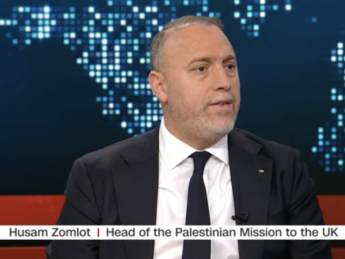
CNBC interviewed Palestinian diplomat Husam Zomlot. The hosts deserve credit for pushing back on many of Zomlot's outrageous statements, but there was still a lot that went unaddressed.
ABC News invited two Iranian regime apologists to discuss Iran and Lebanon. The host failed to challenge even one word of their analyses, leaving viewers with a distorted view of how the Middle East functions.
By ignoring Hezbollah’s likely role in the incident they reported, while failing to provide viewers with the Israel’s response to the incendiary accusation that that the army intentionally struck a hospital, ITV News violated the Accuracy clause of the UK's broadcast media regulator.