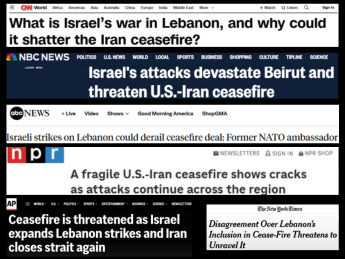
NPR carefully avoids placing an iota of responsibility for the damage to southern Lebanon on Hezbollah. In a recent story designed to make it appear as if Israel was destroying homes for no reason, one man NPR interviewed told listeners that nice houses don't house weapons.
NBC, ABC and NPR reported last week on Israel's intensified strikes in Lebanon and how they might interfere with a potential ceasefire deal between the United States and Iran. The reports gave only half the story, omitting mention of Hezbollah's conduct.
Following the April 8, 2026, U.S.-Iran ceasefire, major western outlets manufactured a false narrative accusing Israel of violating the deal based on unconfirmed claims from Tehran and Islamabad.
When it comes to Iran’s missile launchers, some may be entirely useless, damaged but repairable, or currently operational. There are myriad ways a launcher with little-to-no visible damage might no longer be functional. But the average intelligence analyst will count it as part of Iran’s launch capacity.
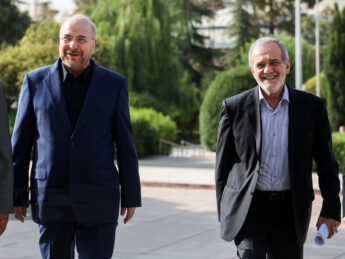
The real story of the talks is not the two sides’ demands, but whether the pro-diplomacy side in Iran can sell any deal to the IRGC, which is effectively in control, which Ravid did not investigate.
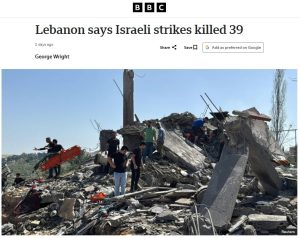
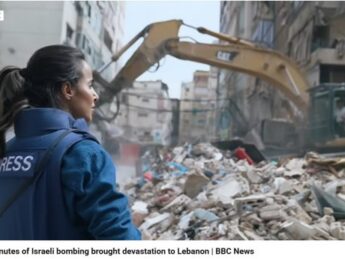
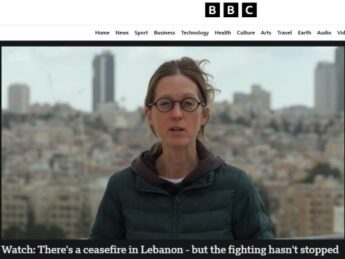
Mirroring its slanted Gaza Strip coverage, BBC strips Hezbollah tunnels from its Lebanon reporting, thereby falsely presenting Israeli steps against the terror infrastructure as "war crimes" targeting civilian towns.
While BBC readers will miss that Israel's north is still under attack, they do get a heavy dose of the broadcaster's false talking narratives including moral equivalency and the baseless claim that Israel targets journalists and healthcare workers.
CNN should also know, and have reported on, the threat Iranians face for speaking out against the regime. It is also obvious that no journalist in Iran would be safe reporting on these matters for an American outlet, an act the regime equates with treason.