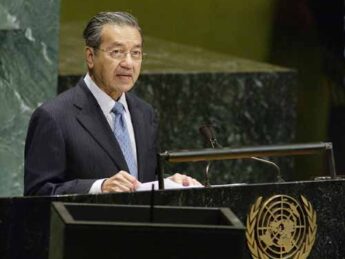
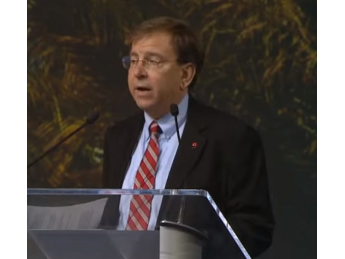
C-SPAN (Cable-Satellite Public Affairs Network) each year at this time ostensibly balances its coverage of the AIPAC conference with coverage of a familiar cast of anti-Israel characters.
While other groups claim that Jews should not be permitted to live as a minority among Palestinians in the West Bank, Amnesty goes even farther, targeting the ability of Jews to travel there to see their own history.
After initially reporting that abuses carried out by employees of the international monitoring group in Hebron were "alleged," Haaretz's English edition corrects, acknowledging that videos documented the vandalism and violence.
"Time to Break the Silence on Palestine" demands Michelle Alexander's New York Times Op-Ed, as if the very same paper has not been publishing a daily drumbeat of material focused on alleged Israeli crimes, real and imagined. The only "silence on Palestine" has been on Palestinian conduct, as the paper's own public editor noted in 2014.
Despite all the braggadocio from church leaders at the UCC’s 2015 General Synod about not profiting from Israeli companies that do business in the West Bank at their church’s 2015 General Synod, the denomination’s pension and endowment funds are still doing exactly that — four years later.
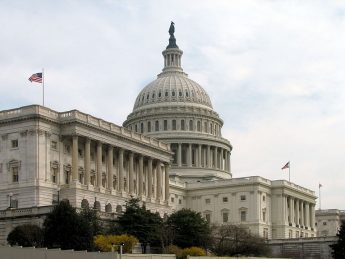
Reuters reported that legislation stalled in the Senate had a measure "to punish Americans who boycott Israel." The bill narrowly applied only to companies -- not private individuals -- engaged in inter-state or international boycott activity.
Jonathan Weisman, the deputy Washington editor of the New York Times, stumbles on the facts as he describes — or is it prescribes? — a rift between American and Israeli Jews. The New York Times is aware of the piece's factual errors, but they remain uncorrected.
C-SPAN recently aired a “discussion” hosted by National Council on U.S.-Arab Relations (NCUSAR), an Arab centered organization hostile to Israel. This hostility was reflected in the choice of panelists.