Produced and Directed by Andrew Goldberg
Distributed by PBS
English
60 minutesThe PBS film provides a compelling look at how widespread and virulent anti-Semitism is in the Muslim world today. The vast majority of the documentary is an eye-opening tour de force.
Episode 3: The New Face of Terrorism — Upping the Ante
Ted Turner Documentaries
Executive Producers: Frank Sesno and Chris Guarino
Host: Walter Cronkite
2 hoursCNN founder and media mogul Ted Turner recently turned his interest to documentary film making. His company's first produc is an 8-hour series about weapons of mass destruction and terrorism hosted by the venerable elder statesman of TV news, Walter Cronkite."The New Face of Terrorism: Upping the Ante" is the third film in the series which aired on four consecutive nights in April 2003 on PBS.
Quest Productions for WETA/Washington DC
Producer/Director: Bill Jersey
Executive Producer: William Free
English, 55 minutesThis documentary, which premiered on PBS stations on November 27, 2007, reports on the clash on campus between pro-Palestinian and pro-Israel activists, but is marred by crucial omissions and lack of context.
Hebrew title: Machsomim
Directed by: Yoav Shamir
Produced by: Amit Breuer
Hebrew / Arabic / English; English subtitles
80 minutesThe film presents a one-sided depiction of the inconveniences to Palestinians caused by Israeli checkpoints.
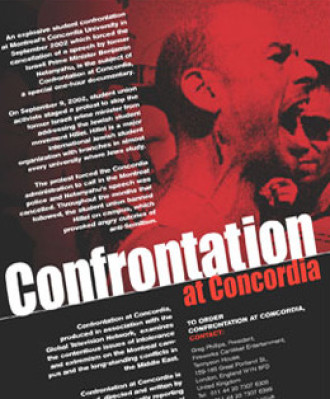
Confrontation @ Concordia (2003)
Produced and Directed by Martin Himel
47 minutesIn September 2002, anti-Israel activists staged a violent riot at Montreal's Concordia to prevent Benjamin Netanyahu from addressing Hillel students. The film examines intolerance and violent activism on campus.
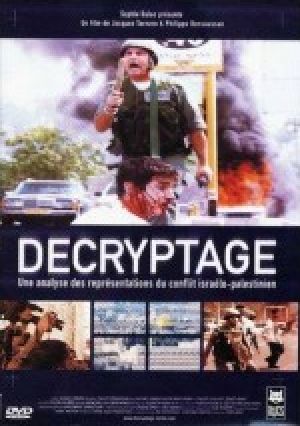
Directed by Jacques Tarnero and Philippe Bensoussan
French with English subtitles
100 minDécryptage, or "Decoding" in English, caused a sensation when it debuted in France in 2002, filling theaters with (often mostly Jewish) patrons dismayed at media treatment of Israel, "the epicenter of a world passion," as one of the film’s interviewees put it. American audiences too will find a riveting, thoughtful and relevant portrayal of how the Arab-Israeli conflict is presented.
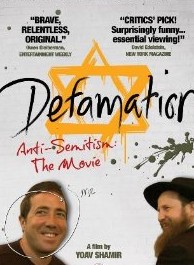
Directed by Yoav Shamir Hebrew and English
Produced by SF – Film Production
Distributed by Cinephil – Tel Aviv
91 minutesIsraeli filmmaker Yoav Shamir promotes distorted and hateful views about Israel and the Jewish people in a film that alleges Jews exaggerate anti-Semitism and exploit the Holocaust to excuse Israeli aggression.
BBC/PBS Documentary
Produced and Directed by Norma Percy
150 minutesThis BBC documentary spares no effort to portray the Palestinians as blameless victims and the Israelis as heartless oppressors. Ignoring most Palestinian terror attacks, and blaming the eventual Israeli response to those attacks for the demise of cease-fire efforts, is just one of the many techniques used by the filmmakers in their tendentious effort to indict Israel.
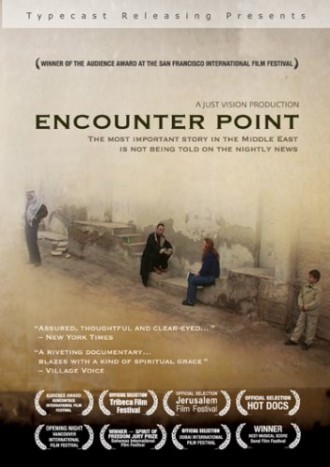
Directed by Ronit Avni and Julia Bacha
Just Vision Films
Arabic, English, Hebrew
85 minutes The documentary follows the stories of a South African-Israeli mother, a former settler, a former Palestinian protestor, an Israeli father, a Palestinian Christian father and a Palestinian ex-prisoner, all of whom are dealing with the loss of a loved one due to the conflict.
Distributed by Kino Lorber
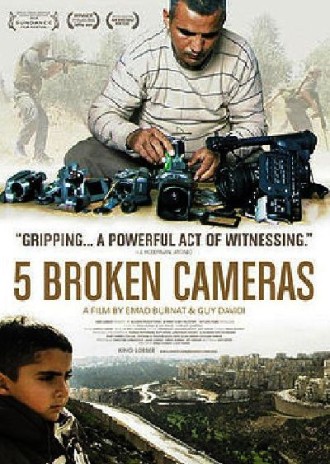
Produced and Directed by Emad Burnat and Guy Davidi
Hebrew/Arabic; English subtitles
90 minutesThis heavily edited, agenda-driven film purports to document the daily lives of the Palestinian film-maker and his fellow villagers and their activism against the Israeli security fence and settlements.
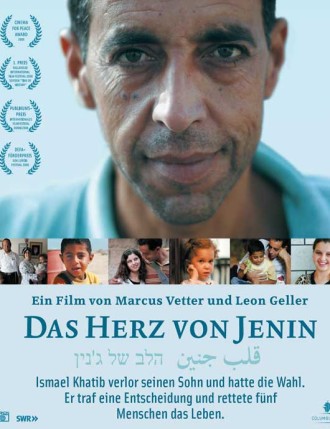
Edited for PBS' Wide Angle TV episode from the original German documentary "Das Herz von Jenin"
Produced and directed by: Leon Geller and Markus Vetter
English, German
52 minutesThe film tells a story about breaking down barriers between Palestinians and Jews, but it falls back onto the usual formula portrayal of callous Israelis and blameless Palestinians.
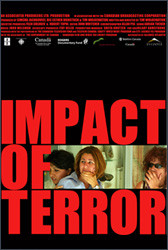
Directed by Tim Wolochatiuk
Associated Producers
52 minutes, English This moving documentary about the Israeli victims of the 2001 suicide bombing at the Sbarro pizerria follows terror victims in the years after the bombing, documenting both the immediate and the ripple effects of the violence on their subsequent lives.
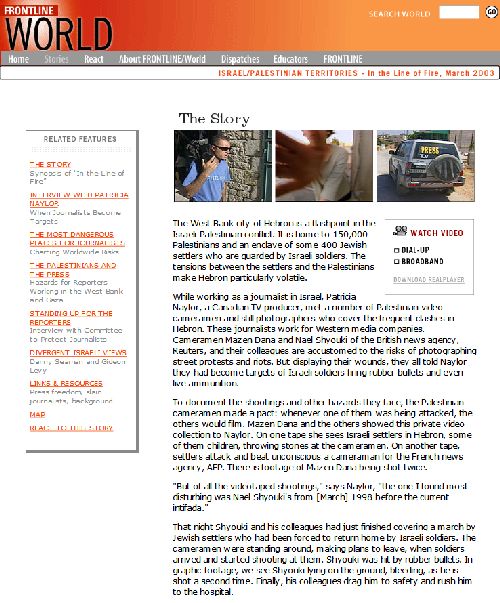
Reported and produced by Patricia Naylor
Original (2001): 47 minutes
PBS Frontline World (2002): 20 minutesIn March 2003, PBS broadcast "In the Line of Fire," an updated and abridged version of a longer CBC documentary aired in 2001 about journalists in the Israeli-Palestinian battle zone. Canadian film-maker Patricia Naylor focused her narrow lens on now-old allegations by Palestinian journalists Mazen Dana, Nael Shyouki and others who claimed they were directly targeted by Israeli fire.
Produced by Michal Zilberman and Michele Mitchell
NOW (PBS) Host: David Bracaccio
60 minutes
Aired on July 17, 2009
This review looks at two incisive documentaries: that aired on PBS, one about efforts to build peace in Jenin and the other about Israeli reservists who served during war with Lebanon and Gaza.
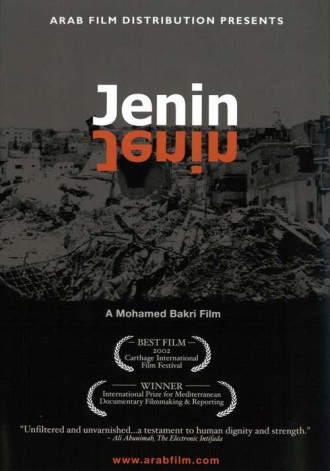
Jenin, Jenin (2002)
Directed by Mohammed Bakri
Arabic with English Subtitles
54 minutes*The flim review is combined with that of "Road to Jenin." In "The Road to Jenin," filmmaker Pierre Rehov's clear purpose is to expose the inflammatory–and defamatory–falsehoods spread by works like Jenin, Jenin. As such his film does not attempt to be an overview of the Israeli and Palestinian experience in Jenin or an exhaustive account of IDF conduct. Nevertheless, the information that Rehov does provide is based on interviewees who use bona fide images and documents to substantiate their claims.
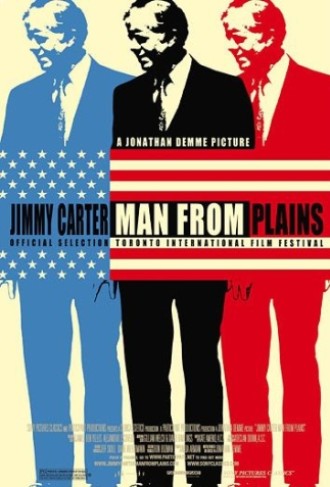
Sony Pictures
Written and Directed by Jonathan Demme
125 minutesDirector Jonathan Demme said that he made the movie because of his admiration for Jimmy Carter. The film, centering on Carter's controversial book, Palestine: Peace not Apartheid, therefore is not the critical examination it could have been, and those hoping for the answers to difficult questions will surely be disappointed.
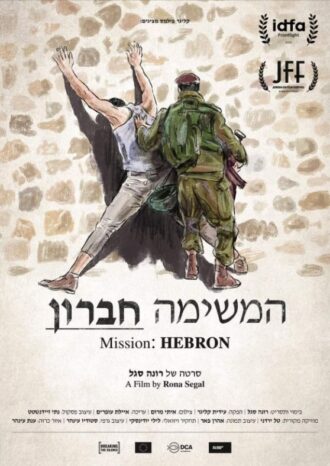
Written and Directed by Rona Segal;
Produced by Idit Klinger, Kobi Mizrahi;
Distributed by New York Times Op-Doc;
Hebrew, English with English subtitles;
22 minutesThe film purports to show reluctant soldier whistleblowers divulging tales of Israeli military and settler brutality but in fact it is just more slanderous propaganda from Breaking the Silence.
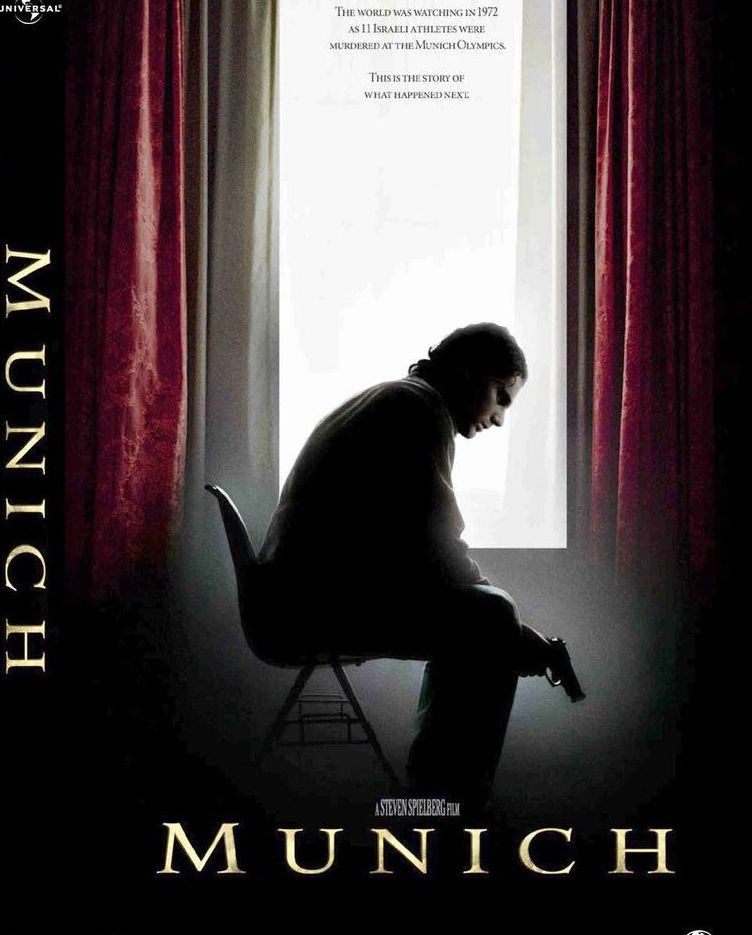
Directed by Steven Spielberg
Written by Tony Kushner, Eric Roth
English, German, Italian, French
163 minutesBriefly, the movie presents, via pulse-pounding scenes of kidnaping, death, stalking and more death, the message that Israel was brutal, bungling and immoral in its reaction to the massacre. True, the hostage-takers were also brutal; but dispossessing Palestinians, we soon learn, lies at the root.
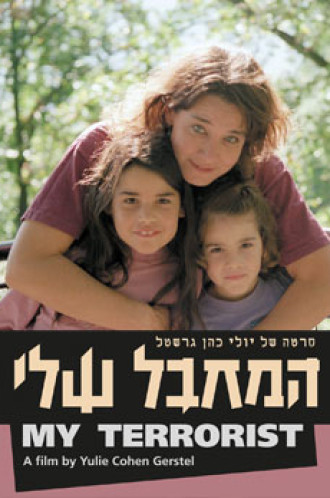
Produced and Directed by Yulie Cohen Gerstel
English, Hebrew with English subtitles, Color
58 minutes"My Terrorist" chronicles the personal journey of the filmmaker from victim of a terrorist attack to advocate for the jailed perpetrator. Gerstel's campaign to free Mihyi serves as the vehicle for her to promote the political agenda she shares with her mentor, Ha'aretz columnist Gideon Levy who also appears in the film. They believe that Palestinians should not be blamed for any action, no matter how heinous.
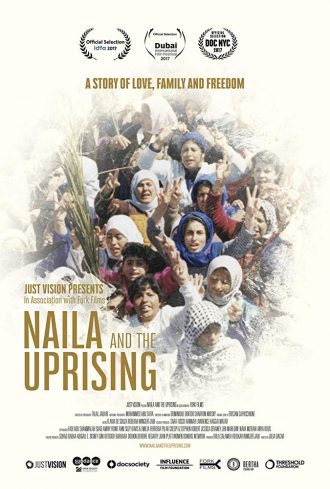
Directed by Julia Bacha;
Just Vision Films;
Arabic, English, Hebrew;
76 minutesPBS airs another one-sided film that reduces complex events into a simplistic morality tale of Palestinian heroes and Israeli villains.
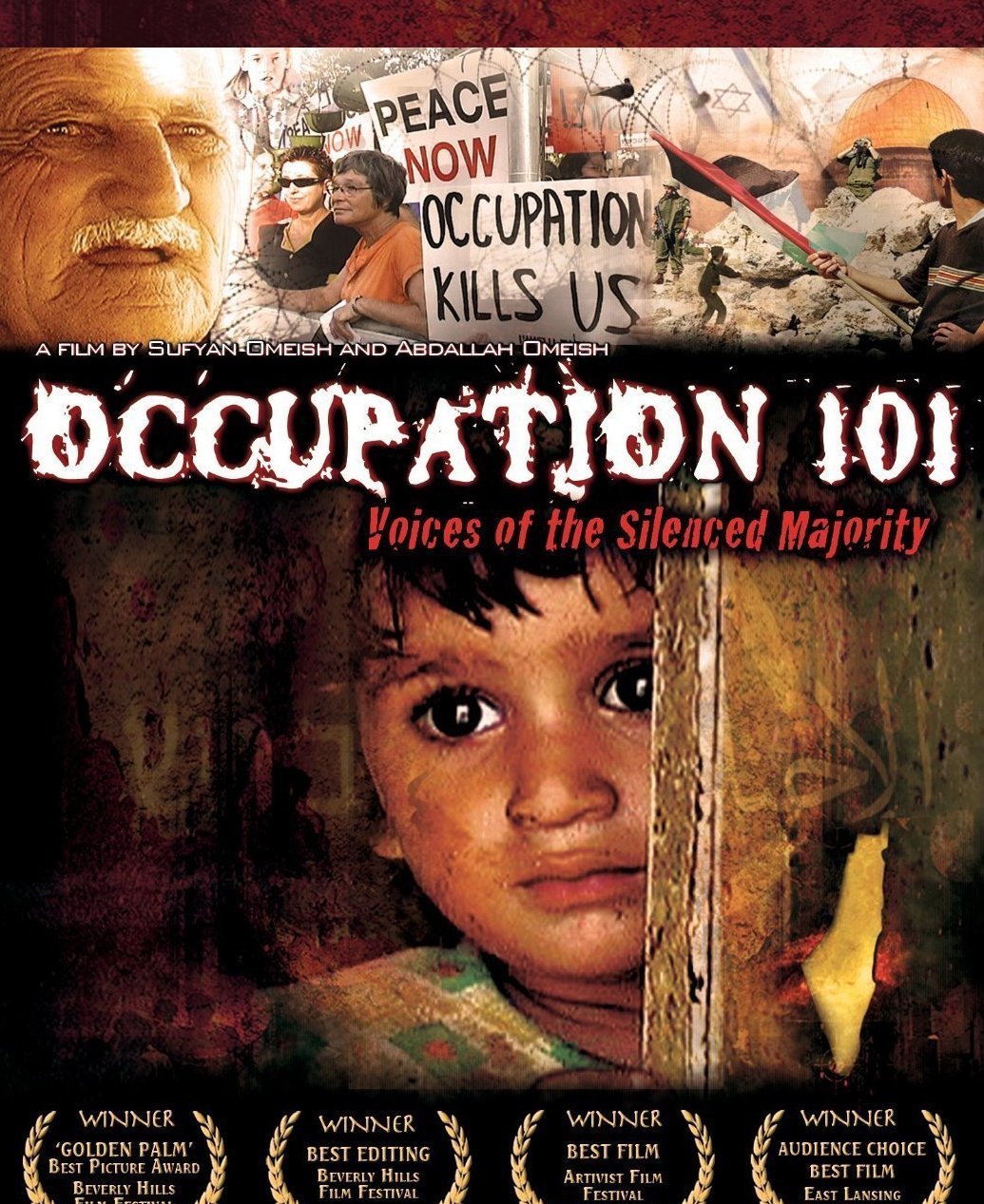
Written, Directed, and Produced by Sufyan Omeish and Abdallah Omeish
Arabic, English with English subtitles
90 minutes Occupation 101 falsely equates the Palestinian cause with civil rights struggles around the world, featuring well rehearsed indictments of the Jewish state by a who’s who of anti-Israel activists. It would have more aptly been titled Propaganda 101.
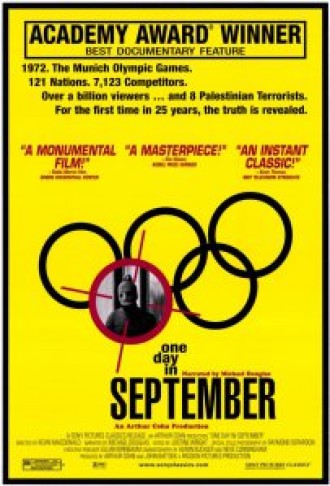
Directed by Kevin Macdonald
Narrated by Michael Douglas
English, German, B&W, Color
94 minWhile Steven Spielberg’s 2005 film, "Munich," blurs the line between historical fiction and real events to tell the story of an Israeli hit team’s hunt for those involved in the 1972 Olympic massacre of Israeli athletes, this Academy Award-winning film focuses on the massacre itself through live film clips, news broadcasts and interviews with police, close relatives of victims, and the sole surviving perpetrator.
Written and Presented by John Pilger
English
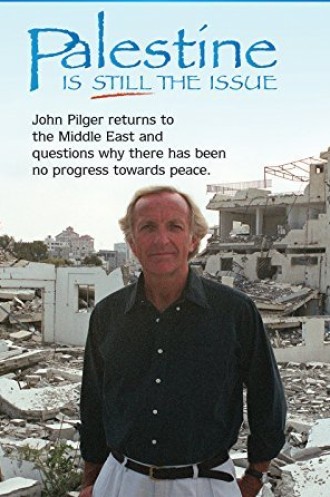
53 minutes Australian-born, London-based journalist and filmmaker John Pilger does not pretend to deliver an objective view of his subject matter. In Pilger's world, events are seen through a lens in which America and Israel are foremost villains. And Pilger's 2002 film, "Palestine is Still the Issue," is devoted to villifying Israel as a terrorist state.
Produced by Brian Epstein, Brenda Breslauer and Monica Iskander
NOW (PBS) Host: David Bracaccio
60 minutes
Aired on July 10, 2009This review looks at two incisive documentaries: that aired on PBS, one about efforts to build peace in Jenin and the other about Israeli reservists who served during war with Lebanon and Gaza.
Produced, Written and Directed by BZ Goldberg, Justine Shapiro; English, Arabic, Hebrew with English subtitles;
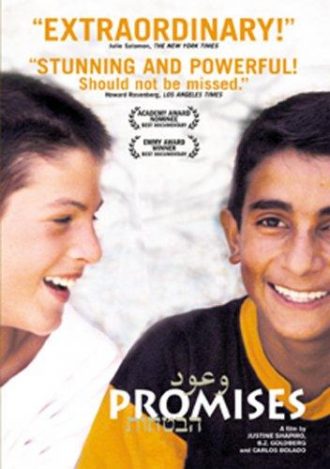
106 minutesThis dated documentary is currently being used as part of the curriculum in some American public middle schools. The film examines the Arab-Israeli conflict through the eyes of seven children living in the Jerusalem vicinity, from both sides of the conflict. While the protagonists are appealing, the take-away message of the film, based on misleading context and a lack of essential background information, is one-sided and politicized.
Produced and Directed by Pierre Rehov
English, Arabic, Hebrew with English subtitles;
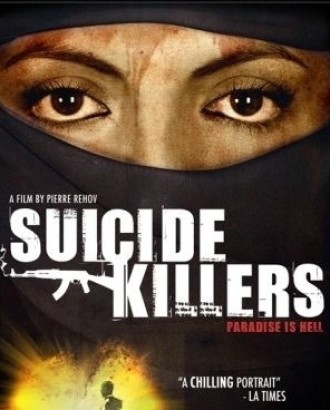
80 minutesIn his seventh documentary, French filmmaker Pierre Rehov, investigates the motives and driving forces behind suicide attackers through interviews with psychologists, terrorism experts, family members, victims, and most compellingly, with failed and would-be suicide killers themselves.
Directed by Michael Grynszpan
Produced by The David Project and IsraTV
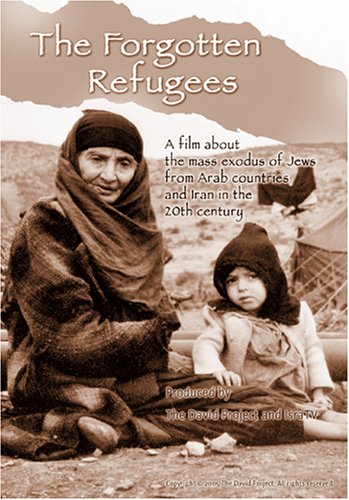
49 minutes, EnglishThe film explores the history and destruction of Middle Eastern Jewish communities, some of which had existed for over 2,500 years.Featuring testimony from Jews who fled Egypt, Libya, Iraq, Yemen, Morocco and Iran, the film explores the rich heritage and destruction of the Middle East’s age-old Jewish communities. Personal stories of refugees are interspersed with dramatic archival footage, including the mission to rescue Yemenite Jews.
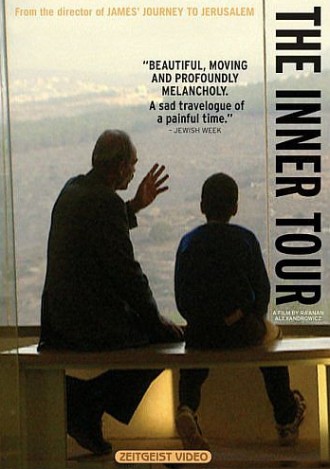
Directed by Ra'anan Alexandrowicz
Arabic,Hebrew with English subtitles, Color
94 minutesThe film follows a group of Palestinians on a three-day bus tour in Israel. Each participant recounts his or her tale of personal loss. Israelis are depicted as interlopers and colonizers. By narrowing his focus to the personal feelings of the travelers and injecting no corrective commentary, challenge or background information, the director gives viewers a severely skewed picture of a complex and difficult subject.
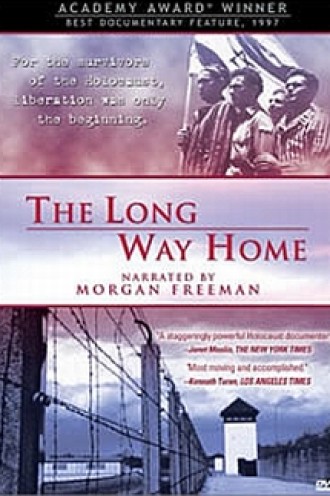
Directed by Mark Jonathan Harris
Narrated by Morgan Freeman
English, B&W, Color
120 minThis academy award-winning film is about the heroic effort to re-establish the Jewish homeland in the wake of the European Holocaust. The film highlights the personal accounts of several survivors, tying them into the larger narrative of events in postwar Europe and Palestine and documents the unflagging efforts of others who helped them rebuild their lives in Palestine in the face of callous indifference by the international community.
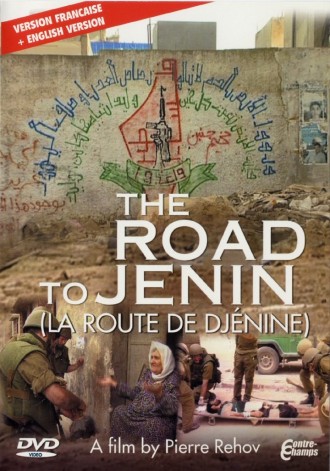
Directed by Pierre Rehov
English, Arabic, Hebrew and French with English subtitles
52 minutesThe flim review is combined with that of “Road to Jenin.” In “The Road to Jenin,” filmmaker Pierre Rehov’s clear purpose is to expose the inflamma–y–and defamatory–falsehoods spread by works like Jenin, Jenin. As such his film does not attempt to be an overview of the Israeli and Palestinian experience in Jenin or an exhaustive account of IDF conduct. Nevertheless, the information that Rehov does provide is based on interviewees who use bona fide images and documents to substantiate their claims.
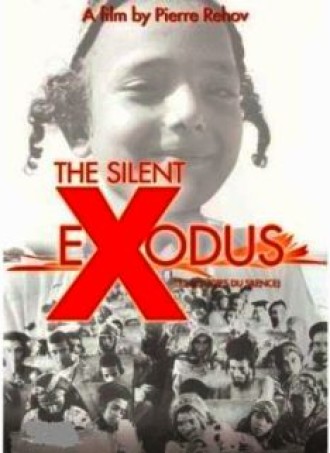
Produced and Directed by Pierre Rehov
59 minutesFilmmaker Rehov interviews several prominent scholars and survivors of the Arab pogroms including Bat Ye'or, the scholar who introduced the concept of "dhimmitude" (the legal and social conditions of Jews and Christians subjected to Islamic rule) into the lexicon. They vividly elucidate the circumstances precipitating the departure of these Jews from their longtime homes.
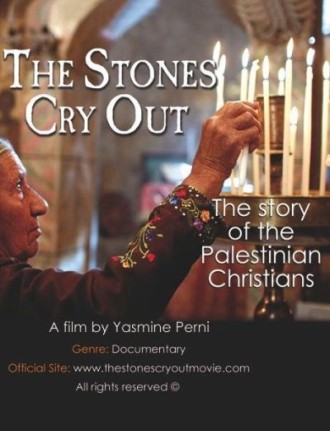
Produced and Distributed by Yasmine Perni
English
56 minutes Yasmine Perni's 2013 movie “The Stones Cry Out” allows influential and seasoned pro-Palestinian activists to present an emotionally charged, one-sided story of Palestinian Christians devoid of historical context and facts.
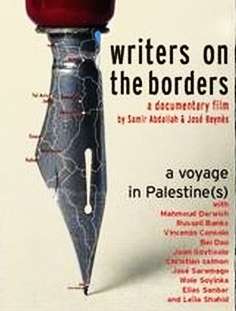
Directed by Samir Abdullah and Jose Reynes
80 minutes, Arabic, French and Hebrew with English Subtitles The film, commissioned by the International Parliament of Writers (IPW) and directed by two anti-Israel activists presents propaganda meant to inflame public opinion against Israel. The film likens Israel to the South African apartheid state, compares Israelis to Nazis and presents Palestinians as blameless victims of Israeli brutality.